
The Garden of Eden: The Royal Secret They Didn’t Want You To Know
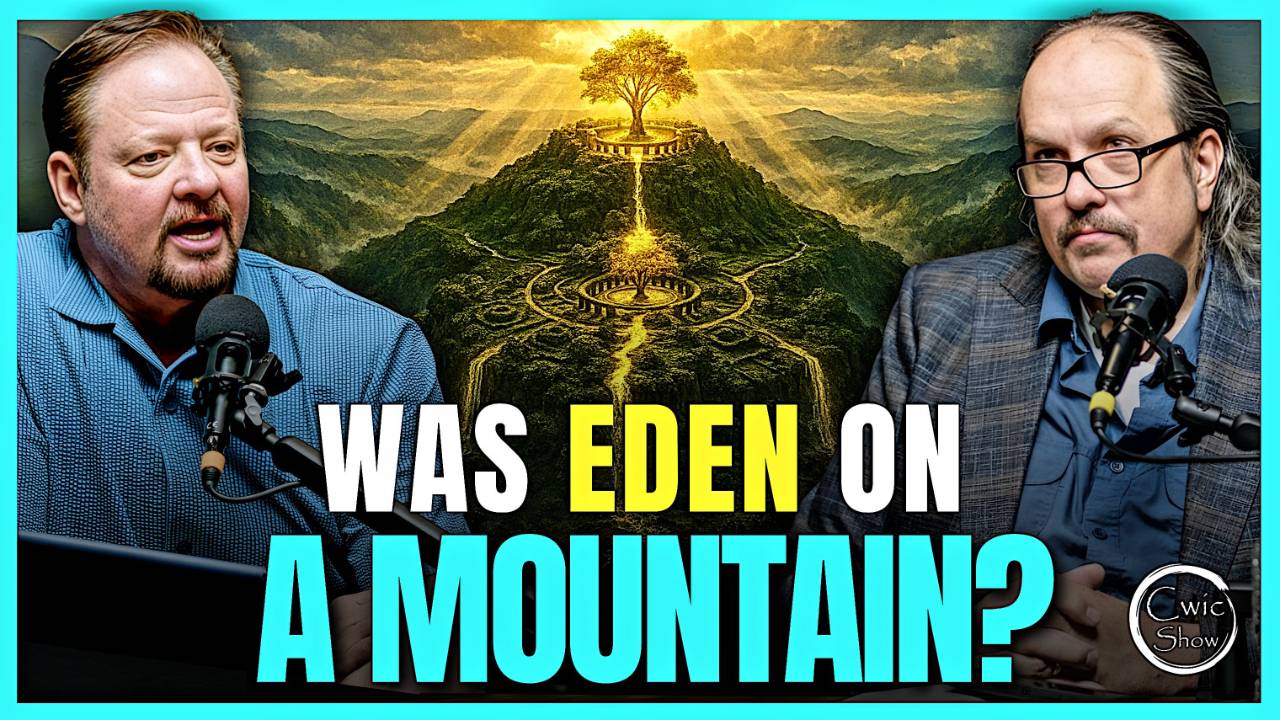
Dave Butler and Greg go through a mesmerizing discussion on the Garden of Eden. Buckle up!
- The Garden of Eden: The Royal Secret They Didn’t Want You To Know
- Priesthood, kingship, and the “democratization” of heaven
- The Seven-Fold Garden of Eden Pattern Connects Genesis to the Sermon-Eden: The Royal Secret. They didn’t want you to know. Creation, Eden, Beatitudes… same blueprint?
Raw Transcript:
This is a great interview with my friend Dave Butler, author and theologian. We
talk about Eden, some of the characteristics of what Eden must have been. Where was it? What was it like? Uh
geography or or topography really is maybe what we ought to say. Very interesting interview. I think you're
going to really enjoy this. This episode is brought to you by Gospel on the Nile. We've got a new trip opened up because
the others have sold out for this spring that is in October. It is October 27th to November 6th. October 27th to
November 6th, 2026. As I've said before, this is a bucket list uh type of a trip.
It is incredible. The archaeology, the archaeological sites are incredible. And
you're going to learn more about the temple there as it's all over the walls in Egypt than you are anywhere else
except for perhaps in the temple itself. Absolutely love this trip. Go to
quickdia.com cwycia.com to find out more. Here we go with Dave Butler.
[Music]
So Dave, you've been looking at a new perspective on the Garden of Eden. Why don't you cover that? Yeah, I'm excited to talk about this.
Um, let me explain kind of where this came from because there's a little bit of a moral in it. Okay. So, um I read
this book, The Eden Narrative by a a Swedish scholar, Trigva Minger.
Uh and I read it a few years ago and for whatever reason, I underlined various I
I have a hard time reading books that I don't own because I write in them. So, I own a large library.
Um and so I I I read it. I I jotted notes and stuff, but it made no impression. I put it on the shelf. And
then last week, I reread it. um working on my next book. Um and I and I said,
you know, I got that book on Eden. It hadn't made a a big impression when I
read it the first time, but like maybe and I read it again. I thought, man, I don't know how I missed all this stuff. Um so, so there's a there's a meta
point. There's a moral um maybe there's a couple. Um one, I should remember I'm
not as smart as I think, right? This is Dave is not as smart as he thinks. His moral one. But also, man,
to some extent, right? Scholarship or research or whatever word
you want to use here is going over the same ground again and again. You have to
be looking at the same books. Uh because as you know more, you then recognize
more. You see more, right? But let me tell you what this some of the things this guy says about the Garden of Eden
and we can talk about why I found them so interesting. Let's do it. So in ostensibly the book
is about Genesis 2 and 3. He calls that the Eden narrative but he but he also compares it to um two other uh he has
different names for them but two other versions of the Eden story. One of which is in Ezekiel 28 and the other one of
which which I long aware of that one. And the other one which I had really missed was in is in Job 15 and it's it's
two verses long and uh and he says a lot of interesting things um about each of these narratives
but then when he kind of puts them together there's a there's a whole other tier of interesting observations
u and and some so whats that I don't think well some things he didn't say that I'd like to say and some things
that I think he's in no position to say because he's as far as I know not LDS. Yes. So um so first of all you know
about about the garden some of this is you know may feel like old hat. He says look this is this is God's garden. Uh it
is the temple. He says apppropo of Genesis 2 and 3. He says um you know
God's garden as an an image of the temple is a very old idea that goes back into Mesopotamian roots of of Hebrew
literature. Um, and he says specifically it's a mountain. There's probably a mountain. Doesn't say that it's a
mountain, but uh the four rivers from Eden flow outward, which the implication
is that Eden is a raised elevation, right? All this is pretty straightforward.
There's something all of that I would have said, yeah, yeah, yeah. Obviously, um here's an interesting observation he
makes about specifically Genesis 2 and 3.
There's a uh he he organized he divides it and there's a lot of footnotes. He's not
alone in doing this. He's quoting a bunch of commentators, but he divides the narrative into a series of episodes.
And it turns out that commentators generally agree that there are these series of episodes. And how many are
there? Turns out there are seven within within chapters two and three. Within chapters 2 and three, they break
down the narrative into seven episodes which are uh Yahweh Elohim, the Lord God, okay,
creates the first human being. He plants the garden and puts the human there. Then he makes animals in the woman. Um
then there's the fourth episode and this is eating the fruit of the tree. Uh then
episode five, there's a there's a there's an investigation or a hearing or a trial, right? The Lord God, they're
hiding. They're not naked. What have you done? Uh there is uh the scene of
judgment. Uh serpent is cursed. The uh you know humans are uh their judgment is
also announced and then expulsion. They're cast out of the garden. Okay. Now, turns out other scholars have had
slightly different nuances of where to draw the line on those episodes, but there's pretty general agreement that uh
there are seven episodes in this garden story. Why is this interesting? number
of reasons. One, the fourth episode, the middle episode is uh is the tree. It's
the encounter with the tree. It's eating the fruit and gaining insight. So, um
let me come back to that in a minute. First of all, the general uh notion that
the garden of Eden has a kind of a sevenness to it is interesting because there are some
other interesting passages that have a sort of a sevenfold or a sevenness quality to them. For example, Genesis 1,
right? Genesis 1, the days of creation, seven days of creation. And uh uh why is that interesting? Well,
the fact that they both have a seven aspect might suggest that they're meant to go together. Right now, um it's a
very common idea in critical scholarship that that they were written separately and at some point later they're stuck
together maybe. Right? But they don't seem to have been stuck together half-hazardly. They both have this kind
of sevenfold quality, right? Right? Or in other words, we have, you know, what happens in the creation has seven beats
and then what happens in the garden sort of echoes that and has seven beats, right? Um, by the way, I was reading a
commentary, uh, William Holliday's, uh, commentary in the book of Jeremiah over the weekend and, and he says, uh, I
forget the passages he's pointing out, but Jeremiah seems to know, seems to quote both Genesis 1 and also Genesis 2.
And he does it close together implying maybe that no later than the time of Jeremiah if they were ever separated
they had become fused or attached that Jeremiah seems to have maybe thought they were united. Right? So all that is
sort of kind of academically interesting. Um but the sevenness also appears
elsewhere. So the sermon on the mount which we're going to come back to again before we're done. You know I like the
sermon. I know you do. Yeah. has a sevenness to it. St. Augustine in his commentary talks about
this the sevenness uh implicit in the sermon on the mount. There are there are
seven biatitude blessings. Uh people have commonly thought that the Lord's prayer is to be broken down into seven
uh uh phrases or seven provisions of the prayer, right? And and there couple
other elements in there that are sort of said to be counted in sevens. that's got a seven an over an overarching kind of
sevenness. It's a sevenfold kind of thing. Um there is also uh and I I I will tell
you I think all of this actually fits together ultimately. Um Isaiah uh 11 2
um which talks about seven spirits descending upon the rod of Jesse, right?
And the in the Old Testament spirits descend because of an anointing. Samuel
anoints Saul or anoints David and the spirit of the Lord comes upon him. The anointing is the spirit. So there's a
sevenfold anointing in Isaiah 11:2. And and um we
could go look at it in detail, but we have other stuff to talk about. But if you look at it and you you think about it kayastically, the fourth the center
provision of that anointing, the seventh spirit is the spirit of counsel. Council is the word etsa, which also means tree.
So at the center of that anointing is a tree just like at the center of the Eden narrative. That's interesting. Is a tree, right? So So this sevenness
is a is a is a super interesting thing to me. Now so this is one this is one this is
one uh narrative. Um one Eden story and and I will I'll say this and we'll come
back to it in a in a few minutes. Um I think this is probably what put me off
the first time I read it. I don't remember for sure but I think it probably is. He says um
Genesis 2 and 3 is late. He says a lot of reasons. I'm not even here.
Yeah. He says it's it's post exilic. It is meaning Persian period, right? So, so
uh exiles from Babylon have been freed by Cyrus the Persian, right? They've come back, right? All that stuff. So,
this is like 300 BC, maybe 400 BC, right?
So we'll come back to that that this this is not how we intuitively natively
read the Bible. We sort of tend to read it in order. We think well you know Genesis is at the beginning this is must
have been written early in the beginning right um which is a big mistake which is
a big mistake it's a very big mistake because it actually that right there is the foundation of
most of Christianity is because it is read chronologically in that sense.
Yep. In my mind, I I I think that when you read in the beginning, I think that is the most misunderstood
verse in the entire Bible is Genesis 1 one.
Yep. Absolutely. Well, that's Yeah. And over the over over
the centuries, um less now, but like anciently, there were lots of different readings of that
verse, right? But but the sort of we we become captive to the editors and to our
own doctrine and to our to our assumptions and assuming that that's the part the oldest part of the Bible. Um
yeah uh I'm going to come back to that because I there's something when we say okay what if this was a Persian era
document there's some interesting ah so whats um let's look at the two other
Genesis narratives. So, uh, not Genesis, the Eden narratives.
Um, so Ezekiel 28, uh, 1-19. Let's see. Is this too
long to read? Maybe it's too long to read. Let's go through it. Okay. I definitely want to read the Job one also because the Job one has a big
translation error I have to fix. But, um, so this is Ezekiel. When does this date to? Well, we we uh Ezekiel, we
basically know when he wrote. He's he's a contemporary of Jacob. He was Jacob, son of Lehi. He was a priest who was
exiled. In other words, Jerusalem's destroyed. Not everybody, but the elite
of Jerusalem. Right? So, there's I just read a book on this too by Od Lifetsz. Like, there's a lot of people who are
left behind. The administrative center seems to move to Mispa and Benjamin.
Judah's still occupied, but the elites are taken and Jerusalem is destroyed. I think in two different There's
actually two different basically kind of like the king's court type of thing
that happens. Daniel's in one of those. Yeah. Yeah. So, uh and and Ezekiel is
part of this group and so he's a young priest and he's taken off to Babylon, right? And he he writes various visions.
So, um Ezekiel 28 is uh two rebukes of
the prince of Ty, right? So, the Eden story is here, but it's not being recounted. The Eden story is being I
should say an Eden story an Eden story is being used to um to chastise this
Phoenician prince. Right? So the word of the Lord came to again unto me saying so verses 1 to 10 is one
rebuke and 11 to1 19 is the next. Son of man say unto the prince of Tyrus
uh thus saith the Lord God. Tyra is the capital of it's the Phoenician city on the coast north of Israel. wealthy
international shippers and middlemen, right? Um because thine heart is lifted up and
hast thou hast said, "I am a god. I sit in the seat of God in the midst of the
seas, yet thou art a man and not God, though thou set thine heart as the heart
of God. Behold, thou art wiser than Daniel. There is no secret that they can hide
from thee. With thy wisdom and with thine understanding, thou has gotten thee riches, and hast gotten gold and
silver into thy treasures. By thy great wisdom, and by thy traffic hast thou increased thy richness, and thine heart
is lifted up because of thy riches. Let me interject something on this right here. Yeah. Uh because I see I saw this I read
this yesterday. I went through it. This is
I believe this this is the same thing that is happening with Christ at the
temple where he goes in and he cleanses the temple of the money exchangers which are
basically under the the high priest, princes, Sadducees, uh rulers of of the temple and and
basically Jerusalem, right? But you have the same thing happening here. Yeah. Right. by the great wisdom and by thy
traffic. That's the commerce. Yep. That's commerce. Exactly. Right. Hast thou increased thy riches and thine heart is lifted up because of
thy riches? And of course, we're getting into this where this is all talking about going into the temple. Right. Right. So, what part it's
interesting so Medinger says, look, um, some of this is the Adam story and some
of it is specific to the prince of Ty, right? And sort of and yes, so the traffic, this is clearly the
condemnation. You've made yourself rich. This has made you arrogant. So, but that means sitting on God's throne, right?
Having wisdom because you have wisdom, that means you know secrets. These are
part of the Adam story, right? So, he's he's a corrupted Adam is who he is,
right? Um, now see, I would have read that differently. When I was looking at this, I was thinking
this is Lucifer. Oh, well I I think that's also in the story. Yeah. Okay. So
So hold on. Uh therefore thou thus sayeth the Lord God because thou hast set thine heart as the heart of God.
Uh and and heart um I think Meder translates this as mind because in in
for the Egyptians for the Semmites you didn't think up here you the fool has
said in his heart there is no God means the fool thinks right. you speech in your heart was thought. So uh so in your
mind you've convinced yourself that you have the mind of God, right? Um behold therefore I will bring strangers upon
thee, the terrible of the nations. This is the judgment being prophesied on Ty. And they shall draw their swords against
the beauty of thy wisdom, and they shall defile thy brightness. That's interesting. He's he's shining, right?
This is this is uh the righteous shine in the kingdom of God. This is old temple stuff, right? And we're going to
see below he's explicitly well shining in brightness. I see that as the
word Lucifer. I I don't know. Okay. Uh they shall bring thee down to the pit, and thou shalt die the deaths of
them that are slain in the midst of the seas. Wilt thou yet say before him that slayeth the I am God? So So that's
interesting. If this is the Adam story, then somehow the Adam story involves wisdom, knowing secret things, and the
question of can Adam become God. Can he make a claim
that he is God? But thou shalt be a man and know God in the hand of him that slayeth thee. Thou shalt die the deaths
of the uncircumcised by the hand of strangers. For I have spoken it, sayeth the Lord. Now that's rebuke A, right?
Rebuke B. Same chapter, still the same target apparently. Moreover, the word of
the Lord came unto me, saying, Son of man, take up a lamentation upon the king of Tyrus, right? Same target. And say
unto him, thus sayeth the Lord God, thou sealest up the sum, full of wisdom, and perfect in beauty. Thou hast been in
Eden, the garden of God. Every precious stone was thy covering. The sardius,
topaz, and the diamond, the barrel, the onyx, and the jasper, the sapphire, the emerald, and the carbuncle, and gold.
Um, now there's there's an interesting commenting makes here, and he says, "Look, lots of people have pointed out
these are the same gems that are part of the uh getup of the high priest." Yeah. They're actually out of the right
out of order, but but in the Septuagent, Yeah. it has the exact right order in it.
Yeah. Oh, interesting. Okay. Very good. So interesting. So the Greek translators, a they may have had the original or b they may have seen that
and corrected the order to make it line up. I did not know that. What a great catch. So he says he says maybe he says also uh
we should maybe see this as being royal getup. Right? So this is interesting
because what what what is what seems to be the Adam story if he's right. Um, and by the
way, I don't know if you've uh well, you probably haven't read Jonah's second book. It's not out yet. Uh, the there's
um there's a fine line between Adam and Lucifer,
right? Um, traditionally, a lot of a lot of the um
setup for the story of Lucifer is not that he envys and battles Christ, it's that he envys and battles Adam. And in
fact, if you read the Abraham account, um
the uh the figure who is there, you know, who keeps his first estate is not
said to be the son of man, but one like the son of man, which is interesting because that may mean even though we
have thought of that as being a discussion of Christ and Lucifer in the premortal council, maybe it's actually
Adam and Lucifer and Adam volunteers to be sent and Lucifer wanted that job,
right? That's a other conversation. Um,
working with the hypothesis that this is the Adam story, right? Uh, which is what Minger says. Okay. So, so Adam not only
sort of there's this boundary question. Can Adam be God? Uh, in other words,
where is the boundary or is there a boundary between the human and the divine? or who will police it or is it
is it impermeable um Adam seems to be priestly
right and there's also this question of is he also royal is he a royal figure
right and maybe in fact if Adam is understood as being royal maybe that's why the comparison seems natural to use
Adam language to berate the king of Ty right other words you were set up to be
a king in God's garden you were so close. But you have taken things that were not supposed to be yours, and you
did it because you were puffed up by your riches. And so, like Lucifer, you're going to be cast out.
Mhm. Um, so, uh, thou, of course, Adam's cast out, too.
Well, okay, we're going to come back to that. We're going to come back to that. There's some, he says some interesting stuff. Uh, thou art the anointed cherub.
Oh, I missed a a line. The workmanship of thy tabs and of thy pipes was
prepared in thee in the day that thou was created. Thou art the anointed cherub that coverth, and I have set
thee, thouast upon the holy mountain of God. And thou hast walk up and down in
the midst of the stones of fire. Thou was perfect in thy ways from the
day that thou was created, till iniquity was found in thee. By the multitude of
thy merchandise they have filled the midst of thee with violence, and thou hast sinned. Therefore, I will cast thee
as profane out of the mountain of God. And I will destroy thee, oh covering
cherub, from the midst of the stones of fire. Thine heart was lifted up because of thy
beauty, and thou has corrupted, thou has corrupted thy wisdom by reason of thy brightness. I will cast thee the ground.
I will lay thee before kings that they may behold thee. Thou has defiled thy sanctuaries by the
multitude of thine iniquities. By the iniquity of thy traffic, therefore will I bring forth a fire from the midst of
thee. It shall devour thee, and I will bring thee to ashes upon the earth in the sight of all them that behold thee.
All they that know thee among the people shall be astonished at thee. Thou shalt be a terror, and never shalt thou be
anymore. So in Medinger's read is, hey, there is
unadam story. He says, "But it's not Genesis 2:3." There is an Adam story
that informs this, and it has some things in common with Genesis 2:3. It is it is on a mountain. It's the mountain
of God. Um, but this Adam seems to be specifically priestly or maybe royal. We
we have the we have questions about can Adam become one of the gods? But we have
here an Adam who gains wisdom and because he gains wisdom, secrets can't be uh kept from him. Um and then he is
cast out and and this is a story that's being used is being uh used to shape
this these two oracles of condemnation against the prince of Ty. Okay. So
that's Adam story number two. Now Adam and I knew that one. this people we don't we don't read this one typically
in Sunday school but like it's pretty common place to say ah that you know if you're reading a critical commentary and
Edom comes up yes and Ezekiel has a little story of Eden also right this
other one I missed so it's in Job uh Job 15 and it's only two verses long
so again file this under you know Dave's not as smart as he thinks Um
now partly um well I don't know how I missed this.
So uh so this is um this is one of Job's friends putting Job
in his place. Mhm. Okay. This is Elephaz if that matters. Okay.
And I'll read you the King James and then uh and then I'll I'll fix one of the clauses.
Uh, art thou the first man that was born? Right? This the whole the whole thing is Job, you're you're
presumptuous, right? You can't you can't sit in judgment on God. You don't know, right? Uh these bad things have happened
to you. Shut up and take it more or less is the tenor. Art thou the first man
that was born? or was thou made before the hills? Hast thou heard the secret of
God? And dust thou restrain wisdom to thyself?
Okay, so this is a little little funny archaic language. There's also a real mistransation here. So to start out with
the first first man here is uh first is rishonne which is first and man is Adam.
It's Adam, right? Are you reishonne Adam? Are you the first Adam
uh who was born? Eight says eight is where the well eight
is where the big mistransation was. The the second half dust thou restrain wisdom to thyself is a bit of weird
Jacobian English. This do did do you did you get wisdom right? Mhm. Did you do you get wisdom?
The first bit hast thou heard the secret of God? So this is just just not what it says in Hebrew. So in Hebrew it says um
uh eloishma. Okay. Um what does that mean?
Bes is not the secret of God. It's in the council. Okay. In council cil. So
it's in the meeting of God. Right. In and the council of God.
Well, we'll we'll go there first. The c what is the council of God? What is the sed of God? Well, it shows up in Ezekiel
23, for example. Ezekiel 23:22, where Ezekiel talks about uh uh these guys are
false prophets. They have not been in uh the sod uh of God.
Uh first Kings 22 tells a story of Micaia bin Imla who it's a fascinating
story and I don't know what the right answer because it seems to indicate that God tells people to lie sometimes. Okay.
So um but Micaiah is a prophet uh and um
he's summoned and told to prophesy and there's some back and forth but ultimately the source of his prophecy is
he says I went and I stood in the I stood before the throne and I received I
was told what to say that's the sed of God is God is present and other divine
beings are present in the swed in the council of God and uh And and a prophet
is um this is like Old Testament commentary 101. A prophet is this is
what the Micaiah been story tells us someone who goes into the sod and gets instructions. It's not necessarily
someone who tells the future. God says here's what you are to say and where
does that instruction come? When you're standing in the council. Yeah. I think it also and it makes a lot of sense to look at the prophet as
someone who is a cog in the order of the council because it's the council to me
the way it's set up throughout the Old Testament even in the book of Abraham is it is it is a hierarchal structure.
Yeah. Uh we see it in the temple constantly. You've got the throne with God. You've got the cherubam, the seraraphim,
uh the elders in book of revelation where there's this this moving out from the center of God on the throne, right?
And so you've got these, you could even call them concentric circles sometimes of these levels of
Yeah. You got into angelology and different things like that or however you say that, but it's Yeah. The prophet would go into that. He is he
part of that order? Yeah. 100% he is because because that order is is the the
term I use is the DBR, but it's the it's the word being brought down in order.
Yeah. To man. Yeah. Yeah. So, uh, a couple things here. Absolutely. Um,
one of the basic sort of equivalencies you have to see to start unlocking some of the sort of visionary accounts in the
in ancient Hebrew literature is that a star is the same thing as an angel is the same thing as a priest. And and and
a star moving around or an angel doing a thing. Very often in a visionary form,
what we're really being shown is a priest doing something. If you look at Elma 12 and 13, Alma talks about the
plan from the foundation of the earth. And he he doesn't use exactly the same language, but he says he says, "Angels
were sent to teach men the plan." And then he says, "High priests were ordained to teach men the plan because
they're the same thing, right? So, uh, that doesn't mean there aren't also other angels, but but he is one of
them." When he goes up, angels are messengers. That is the Greek translation. That's all it mean. It's the Hebrew word is malak. It just means a messenger. And
a maloc can be a guy the Babylonian king sent to say surrender or it can be
sometimes apparently Yahweh himself which goes back to that idea of the word. Yeah. Through the messengers. Yeah. There's an
order of getting that word down. Yeah. The prophet fits into that. Yeah. When he sits in the council. Yeah. So he goes up. That's right. And
he goes into the council of God. Um and then the other pieces, you know, Elma and and Matthew both talk about the
righteous shining in the kingdom of God. Right. Well, to shine is to be divine.
So like the righteous when you were if you're not supposed to be there, you burn to a crisp. Okay. Apparently, but
if you are if you are admitted, it's because you have been transfigured, right? It's because you have become one
of the shining ones. So So absolutely. So um so okay. So so uh oh, so it's it's
bes uh this is a whole other conversation. It is a funny word for God that's used here. It's Aloa. Okay. Why
is it funny? Cuz it looks feminine. But that's a whole other conversation. Let's just stipulate that it says God for now.
Okay. In the sed in the council of God, Tishma, did you hear or did you obey?
Okay. So, uh, so that's that's verse eight. Did did you obey in the sed of
God and did you get wisdom for yourself? And who does this? reishon Adam the
first Adam. So this is an Adam story being alluded to and Meder is great. He
says this may be some special version of the story. He never says how it would be
special right in what sense would it be special? We can imagine some senses but in this version again this idea there's
this idea of can you know what's the boundary line between humans and gods
because Adam is allowed into the sod and also there's this question of wisdom
right and and going and standing in the sed of God entering the council of God a
thing that Adam does and obeying or hearing right Mhm.
Um, and those are those are interesting. I mean, it may mean both, right? The Hebrew may literally mean both. In other
words, how do I get wisdom? I listen to what God says. That is wisdom. But it
also may mean I obeyed. I heed what God says. And as a result, I have wisdom.
Right? The Hebrew doesn't really distinguish those. So, uh, but this is a story. The the implied Eden story is
that Adam enters the council of God, hears and gains wisdom.
So, okay. So, what um
he says all three of these are linked. Ezekiel we know is late. Ezekiel writes
after the uh uh relative we we know that Ezekiel is after the fall of Jerusalem.
Right. Um, Job, notoriously difficult to date, but people generally think this is
also a Persian era book. Let's stipulate that for the moment. Okay. Um, but he
says, look, he says, none of these is derived from the other. He says, there
is some other version of the Adam story out there that these all derive from.
Now, that's super interesting, right? It's super interesting. I think
maybe maybe several reasons. Okay. Um,
uh, reason one, um, Jonah's stuff with the Apocrypha. If you, if you haven't
read Key to the Keystone or, um, he's got another one coming out, uh, maybe
out before this airs, Lost Gems of Genesis, a number of the stories Jonah looks at are, um, are Eden stories.
stories that relate to Adam and Eve, right? That are contained in books that are not in the Bible.
And it is a natural assumption to think, oh, well,
you know, this person started with the Genesis 2:3 story and they've edited it.
They've rewritten it to tell some story they want to tell. And that may be true.
But there is another possibility because if there is an UR story out there, there
is an original Adam story and it's not one of the ones we have, maybe those stories are are other stories derived
from that one. Right? It's you can't assume that they are derived through Genesis 2 and 3. They may be derived
directly from a something closer to the original. Right
now, you do have, however, I mean, as Latter- Day Saints, you have the Book of Moses. This is the second thing.
And then you have Abraham. And well, and Abraham is the creation. It doesn't get in Adam and Eve, but but there's but also there's a bunch of Adam
and Eve stuff in the Book of Mormon. Yeah. Elma 11, 12, and just like Nephi 2, 2 Nephi 9, right? Uh
the the Adam and Eve uh what is it? Elma of Elma is discussions on resurrection
with his son, right? Uh 39 to 42 or whatever it is. when in fact whenever the Nephite prophets get doctrinal uh
they they want to root the discussion in the fall, right? Even even when we get only the
tiniest versions. So like when Ammon is teaching Lemoni, we get a list of I think four things that he teaches and it
says he teaches he taught the creation including the fall of Adam and and the
necessity of a redeemer and the coming of Jesus Christ, right? And and then when Aaron goes and teaches Lemonai's
father, it's the same list. the creation, the fall of Adam, right? So there's so uh the Nephites are c they
have some Adam story, right? And we get glimpses of it and it doesn't seem to be
exactly the same story because among other things, Lehi seems to have a
pretty positive appraisal of Adam. Mhm. Right. Which is which Adam felt that men
might be and men are that we might have joy. That is what this story is about. It's not it's not cosmic disaster. It's
not it's not a sin on a cosmic scale. Creation was perfect and man wrecked it.
That's not it. It's a story that says this is the necessary beginning of a
path that ends in joy. Right. So the Nephites and Yeah. And then Moses and
there's this interesting question and I think you didn't you have a guy on talking about this? Uh um maybe somebody
else did. It's a it's an idea that Jonah has also thrown out. Um the Book of Mormon's published. When does the Book
of Moses come out? It turns out right after. It turns out it's like 1830, 1831, right? You look at the dates and
it's like the Book of Mormon, then the Book of Moses immediately. And so there's this interesting question.
What's the relationship between those in giving us the Book of Moses? Is God trying to give us the Nephite version?
Right. Yeah. Well, they're saying I mean, basically what you're talking about here is a DNA
Yeah. of the Eden story. Yeah. To that goes to the brass plates.
Yes. Right. It goes to the brass plates which is going to be different. And I So I think the though Jeff Lindsay and N
Reynolds that I've spoken with on this that have done a lot of study on this where they find I don't remember the number they're up to now, but there's
150 maybe more terms and phrases that match from the Book of Moses to the Book
of Mormon. Yeah. Yeah. And therefore, here is Moses
more plates, right? Is this what they need? Because this is what the Nephites have got.
Yeah. Right. Yeah. Um,
so that is that's interesting thing too. Mhm. Right. Is uh hey, this guy says Genesis
23 is not where it starts. Adam is a story that's older than that. We don't have the original version,
right? Or we don't have a version older than the Persian period, but there was at least one older than that, right?
These these three are all descended from that. Yeah, maybe that's on the brass plates. Let me throw out another
interesting possibility. Okay, it's become very common place. Um, at at
some point in the 20th century, people realized, well, after the classicists figured out that Homer was probably oral
literature, right? the Bible guy said, "Hey, man, maybe there's an oral background to some of these books, too."
Right? And so it became very common place to think about, well, was Jay
recited as an oral epic before it was written down, right? And so, so multiple
writers have suggested, for example, that second Isaiah was at first an oral tradition. There was a prophetic group
that was passing down oral prophecies in the name of Isaiah that eventually got
written down and added to the book of Isaiah, but they were oral for a while. So why is this interesting? Well, that
original Adam story might not be written down at all. It
might be something in the nature of oral literature, right? That is to say, it
might be a version that was performed either as a poem or maybe as something
like liturgy. Mhm. Right. So,
which I think is a very interesting possibility. I think it's likely. Yeah. Now, there's another thing here which is
fun. Which is fun. So, what is it? Page 57 maybe. So, I want I'm just going to read um one paragraph 59. Right. So this
is this is with respect specifically you know Genesis the the sort of common
we we can choose to understand it differently right and and we certainly do because we have we understand Genesis
23 through the lens of what's in the Book of Mormon I think really right Adam fell that men might be and so we read
Genesis 2 and 3 and we understand it as a positive right um uh in a sense we
come to Genesis 2:3 last right we have we have other lenses but of course most
of the Christian Jewish world doesn't they come to they come to they start with Genesis 2:3 for them now for most
people that's sort of the beginning and the end of the Adam conversation right and so again there's this idea of
Adam that um he broke the world he did a terrible thing and we are all suffering
the consequences so here so here's this interesting bit okay um I'll read it to you and then
I'll summarize uh the disobedience of Israel in the deuteronomic history so
Joshua judges kings um or Samuel Kings is here in the garden
story Genesis 2 and 3 transformed into the disobedience of the first human couple. The consequences of this
primeval act of disobedience by the first humans are understood to affect all human life. Having missed the chance
to attain immortality, the first man and woman succumb to the fate of having to die. In this, they are representative of
the whole human race. Now, he italicizes this. While the Deuteronomic history supplies an ideology, that's an
explanation of the causes for the loss of the land, the Eden narrative serves
as an ideology for the loss of the Garden of Bliss. So he says, he says like 12 pages arguing this. He says,
look, the Deuteronomists have been tinkering with Genesis 2 and 3. He says the idea and and they've imposed their
ideology on it. And the idea their idea is why have we been thrown out of uh why
did we lose Israel because or Judah we sinned we sinned uh we didn't worship
Yahweh alone etc right he says that is the idea that iso imposed in on imported
into this this version of the Adam story why are we not living in Eden because we
sinned right we are all sinners we are guilty because of this grave sin
Which again is super interesting because what he is saying is if we found the original Adam's story it would not be
dark like that. It would not be it would not be a story about we sinned and
therefore we lost everything. Now okay that's what would it be a story
about then Trigve right? Um he says he says look there's a couple of there's a
couple of elements um that are common to all of these Eden stories. So one is
the story of Adam is the story of a test. It's the story of a test. Okay.
Humanity is being tested somehow someway. And and it is it is a story about in
every case it's a story about the boundaries between the human and the divine. And the question is can can
humans be among the gods? Can they become one of the gods? Can they can can they sit on the throne of God? Can they
stand in the counsel of the god? Is it true as the serpent says that you'll become as the gods are? And in all of
these stories, there are two things that the uh gods possess. And one of them is
described as is wisdom. Okay? Knowledge of good and evil, wisdom,
right? Adam stands in the sword, he gets wisdom. The prince of Ty had wisdom. The
other is immortality which is usually just described as life. The gods have
wisdom and they have life. And and so the qu each one of these stories revolves around the question of somehow
can Adam have both of those things. Right now
this gets me to one last interesting so what? and and uh and I told you we'd get
back to the uh uh Sermon on the Mount because I am I am a one-trick pony, Greg. Um but uh look, I think there's a
lot of reasons to think that the Sermon on the Mount um is a version of the Adam
story, okay? that that that it is it is the it is a play in which you um we're
getting the skeleton of what is sort of said and and and what is committed to and what is acted out but the
uh the characters and the the scenery if
we saw the whole thing we go oh this is a story about Adam okay I had not really put this together
says what do the gods have they have wisdom and they have life. Matthew 7,
right? Um says, uh you ask, seek, and knock in
verse 7, uh verses 9 and 10. There's this odd thing about asking for a bread
and being given bread, asking for a stone, being given stone for messianic symbols being exchanged.
And then he says, "Enter at the straight gate." Um, straight is the gate and narrow the way which leadth unto life.
So when you are whatever it is you're doing here, when you pass through the straight gate, what's on the other side?
This is verse 14, is life. Now what do we get in uh the immediate image is
verse 17. Every good tree bringeth forth good fruit. It seems to imply that life
is a tree with good fruit. Now, that is an that's an Adam image, right? That's the tree of life. One of the fun little
throwaways here is his reading. There's a whole there's a little aside now. There's a whole question about how many
trees were there always two trees in the garden or was there once a one tree version? Because there's some ambiguity
in the verses where sometimes there appears to only be one tree, right? He says they're both there the whole time.
The tree of life was hidden. It was meant to be a reward. Okay? So this see so Matthew 7 seems to
be saying you pass through the straight and narrow gate in into the presence of life which is a tree with good fruit.
And then here's the piece here's the piece that I just never put these things together right is uh the the rain comes
right and he says um whosoever doeth these sayings of mine heareth these sayings of mine and doeth them I'll
liken him unto a wise man right unto a wise man. And and I I have said before I
think that that in this drama you're at this point obtaining the title of one of
the wise but I had not put two and two together and said what is at issue in the Adam story is precisely can Adam
have both life and wisdom and the way that Matthew 7 the way the
sermon on the mount ends is you pass through a straight and narrow gate there's a tree with good fruit and you have both life and wisdom. And so this
seems to be not just a version of the Adam story, but a version of the Adam story in which Adam returns
and has the things that the gods have. But in those stories, they're also cast
out, right? Because they are bright, because they have they have received this knowledge, this wisdom.
And so there's this conflict, I think, between wisdom and life. even though they're both essential, there is a
tension there that has something that has to bridge the two.
So, I think it's exactly right. I think the whole story, this is implied in the sermon on the mount. There's a lot in
the Book of Mormon about this. It's less clear in the Bible, but I think it's there also. The whole story is there is
a tension between wisdom and eternal life, right? The squaring of the tension, the resolution of the tension,
the squaring of the circle is that Adam has to descend into the valley of the
shadow of death. This is where we are right now, right? Uh uh everything we do
is under the shadow of death. Death looms over us all the time. And then having done that then can reasscend to
Eden and then is in a position to have both wisdom and also
immortality. Yeah. through
through humility. Yeah. Well, he has to stand in the repentance. Yeah. And the savior. He has to stand in the counsel of the
gods and he has to heed. Yes. Right. That's Job that's Job 15. You know what? This might go into the
other topic that we're going to discuss. But you know, as I'm looking at these different I mean to me certainly Genesis
231 also actually are are part of a temple liturgy, right? just this to me
is not history. This is a temple liturgy. Yes. Um I I look at certain portions of uh
Isaiah the same way, right? So if we're going into the suffering servant, things that are happening there, I
believe that is ritual. A lot of people have said that in connection with the annual festival, in connection with the annual festival,
I think that in this case, it's Hezekiah that is sitting in as the suffering servant. They're going to do this with the king. Yep.
Um, is possibly this going on with the king of Ty?
Is there a ritual happening here where we are looking at a poem, a drama, a
ritual that you would find this would be the setting? Yeah. For an Adamic story.
So, so I 100% think so. I think there's this gets into the book I'm writing, but
why why why are we told all these royal connections of Jesus, right?
Why does Peter say we have a royal priesthood? Um why why does Adam come up
in the New Testament again? Like why why does Paul talk about I knew a man who uh
who ascended through three heavens and the third was paradise? Paradise does not mean heaven. Paradise means the garden. He ascended
three levels into the garden of Eden. So Paul knows and seems to have had and experience a three-part ascent into the
garden. Um I I think there's a lot of good
reason to think that um the experience
first of all first of all I think there is a view
um you see this in commentaries some a certain kind of commentary that says well Israel is exactly different
from all of its neighbors it's it's different whatever they did is pagan Israel's different
Most people who are seriously trying to read the history don't think that's
true. That's that's a that's an ideological position that basically
starts at the tail end of the process of of the Deuteronomic reform. And you've you've bought the whole thing hook,
line, and sinker. There is there is only one God. There only ever was one God, right? Anything else is is is pagan.
Most scholars who would take this who try to read the Bible's history and figure out what people thought and did
would say there's a great deal of continuity between what the what the kings of Israel and Judah did and what
their neighbors did. Absolutely. In including especially for most of Israel's history right up until
basically the Babylonian exile. Egypt basically ruled uh the whole area right
Israel and especially Judah were little kingdoms under the shadow of Egypt. If
Egypt was poor and its influence waned, they might have had a little more freedom and sometimes they might have had basically no freedom at all and they
were just Egyptian vassal states. Okay. Um but also I was going to say the the the greatest
figures Yeah. in Judaism Yeah. are Abraham and Moses who are Egyptian
who were both Egyptian both went to Egypt. I mean Moses it just is Egyptian. He is Egyptian. And so his thought
process, his understanding, he knows the rituals. He knows what we call the myths.
He knows all of these things, right? And that's his culture. Yeah. Yeah. So, I think a it's not
surprising when we see continuity between things Israel thought and did and things that were thought and done in
Egypt, including including religiously, right? Um, by the way, there's what the
Egyptian god Ammun very early on was was understood to be the one true god and
all other gods were sort of manifestations of him or images of him. Right? So, Egypt Egyptians were not or
at least sort of elite literate Egyptians were not even necessarily polytheistic in the way that we think of
them. They certainly didn't worship animals. No, they did not worship animals. And if you look closely, it looks more like the
pantheon of gods. Yeah. Are more characteristics of God.
Yeah. And the the um the
head of an animal or like the head and the tail of an animal um are are some
would say like James Allen, the author of My Egyptian Grammar, sitting right over there. I know he says this in that
book. um that the fact that the two ladies have the heads of a, you know, one's a
vulture, one's a a cobra, does not mean that Egyptians worship vultures and cobras. No, those are to be
understood as hieroglyphs. Like they're they're they're an idog. They're communicating an idea. Yes.
About those two divine manifestations. So, um and and it's not just true of
Egypt, it's true of other neighbors, too. Entire was a a near neighbor. And so I would not at all be surprised if we
find out eventually that Ty So a I think that the the Eden story is uh is the the
the secret it's the internal it's the story of the royal enthronement. It's
not the public one. It's it's the esoteric one. And it's a story telling the king who he is. And it's and it's
and it's you know you were you were meant to be one of the gods but you had to come down here. Why? So you could
have both wisdom and life but you are going to return and live among the gods. And I think one of the things that Jesus
did and and like a scholar would call this democratization right which is to
say here is this thing that that that the kings of your ancestors did. I am
here as one of them, as their heir to bring these things to you. Right? I
think that was the the sort of astonishing thing um uh that brought
thousands of people together on the hillside. They were all kings. We're all kings and queens. The exact same thing Joseph
Smith did, the restoration. Exactly the same thing. That's exactly right. Democratization. So, um uh yeah. So, I wouldn't be
surprised if we saw a similar thing. uh if we ultimately said there's a similar thing in the um uh happening in among
Phoenicians or other neighboring uh Yeah. And then then you go back into the and we've got to finish up here, but you
you've got a uh then you go back into well, are we talking about diffusionism or are we talking about a a a cultural
religious evolution? Yeah. That happens. And and that's another subject we ought to cover at some point.
Yeah, that's interesting. All right, Dave, appreciate your time. Hey, thanks for having me, Greg.

"I Take This Every Day!"
Learn more about why I accepted Cardio Miracle as a sponsor and why I take it every day!
- Greg Matsen

Stay Connected With New Articles & All Things Cwic!

Cwic Audio Player
All of the Cwic Media podcast episodes on one page!
Recent Posts

