
The Dangerous Rise of “Polygamy Denial”
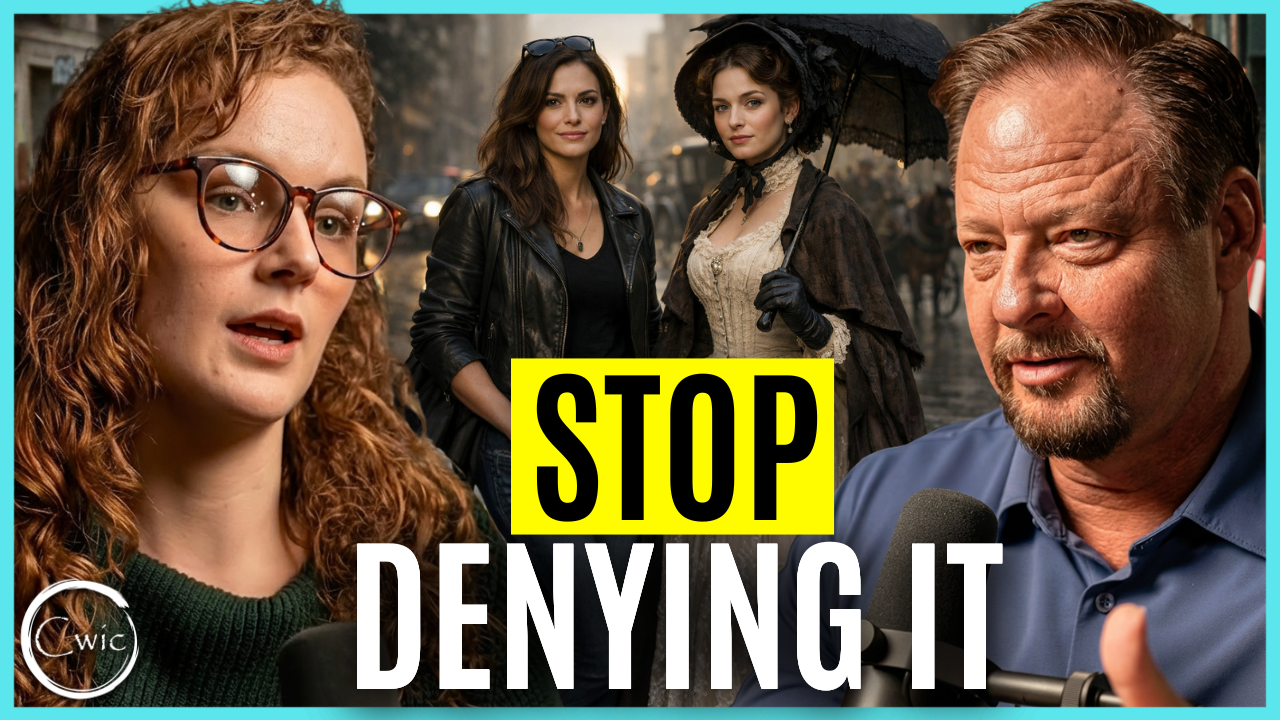
Inside the Lives of Plural Wives
The growing movement—and where it leads Can You Be Faithful and Reject Polygamy? The Dialectic of Marriage: One Man, Many Wives? What Polygamy Reveals About Gender.
Raw Transcript:
So, let's step into the world of 19th century polygamy in Utah. We don't really talk about this much. We don't hear about this that much, but there are
a lot of different points of view on what this was, how it worked, how we should talk about it, how we should think about it. Researcher Selene
Anderson has done a lot of work on the journals and the publications and the history of polygamy with the Latter-day Saints. And she's come to a certain
point of view that she stipulates in this interview and digs up a lot of history, a lot of quotes, talks about the trials, the tribulations, and on the
other side the positives, the absolute faith required to be able to do this,
lessons learned, what was produced from this. How do modern-day feminist attitudes work with 19th century
polygamy? In many ways, the women, the Latter-day Saint women in the 19th century were actually rather progressive for the United States. But there's so
many things going but there's so many different points of view coming on that really strong points of view that I think we need to talk about. Before we
dive into this, this episode is brought to you by Go and Do Travel and Gospel on the Nile coming October 27th through
November 6th. This is a cruise down the Nile in a a large river boat, stopping at temples, excursions to tombs, the
pyramids, camel rides, and you're going to learn more about your temple experience, I believe, in Egypt than you
will anywhere else except for in the temple itself. A whole new point of view and perspective on what you're doing and
what the meaning of the temple is. Go to quickmedia.com cwicdia.com up at the top to trips and events and
scroll down to Gospel on the Nile. I'd love to share that experience with you. Here we go with Seline.
All right, welcome to Quick Show. My name is Greg Matson and I am your host.
In this episode, we bring back Selene Anderson to talk about a very plain and simple topic that nobody thinks about.
Polygamy and polygamy denial. Not a lightning rod at all. Selene, welcome back to the show.
Thank you so much, Greg. I'm happy to be here.
Loved our last discussion. I want to continue that to some point. I'm going to put up a video here that I just put out, just a little short, that was
actually about same-sex marriage and talking about how polygamy was actually
plural marriages between one man and one woman. Selene, what is your take on that short?
I really love your focus on how um marriage is about family formation. It's about having children. That is a key
aspect. And I also love the emphasis on these individual ceilings because it is individual ceilings. It's these
individual marriages. I will say my only thought in terms of like uh multiple like plural marriages is I do think what
is really beautiful when I look at the history is also this idea of consecration existing within the family.
And I think it's important to still while completely on the same page in terms of it's one man and one woman. Um
I think also the way these women when it was su more successful these women were able to collaborate when they lived
together when they worked together when they helped one another when they consecrated their families to one another it created this more Zionistic
um family. And I think that there's just kind of a mixture there that I think is really really beautiful and powerful.
Um, but I do think it's important to look at the covenant structure still that way. And we can also people always bring up like adultery when we look
biblically. Adultery is defined by the woman's marital status, not the man's marital status. And that's really important to remember.
Yeah. And and again, that short was for me was was a there's an argument for those that want
that are advocating for samesex marriage back. They're trying to back door it through saying that well, we had polygamy, the marriage changed, the the
ceremony, the ritual, the ordinance changed, and it didn't really change. It was really all the same thing. And we
were talking about this, and I I I I don't like the word polygamy. Um, you're saying that they didn't like it back then either.
They use plural marriage quite specifically.
Plural marriage. And that's better. I I I I still like the idea of plural marriages because at least in a modern mind, it confuses us in our
understanding of what actually was going on, what the marriage actually is. Yeah. It is still always an Adam and an Eve.
Yeah.
Right. It's always an Adam and Eve at an altar that are creating a specific union one at a time so to speak. Yeah.
So that it is still following the same biblical example.
It's just obviously plural, right? In the sense that not that there are plural women in that marriage sealing ceremony,
but that there are a single Adam and plural Eve, so to speak, one at a time in a marriage. I love the the one at a
time aspect to that. I also think that um it's it's important though to I don't think that it's a series of monogamy.
It's not like here's this household,
here's this household, here's this there's something I really dislike and you know looking at um there's this the show Big Love, right?
Sure. There's this rigidness of like this is this wife's day, this is this wife's day, this is this wife's day. And there's this rigidness of like you're
like it's kind of like he's only married to her on this day and then on this day and then on this day. And so there's this episode in season 1 with his first
wife. They kind of have this like, you know, like more like reconnection of like of of this kind of this this love,
this kind of like um loveydoveviness and they start meeting up on some of the
other wives days and it's viewed as kind of this affair that they're having.
There's something that really doesn't sit right with me when I look at that cuz I'm like this is just a serialized
monogamy versus being able to to be a a family. I do agree with you like there's
a reason in the endowment it's always been this way where it's an Adam and an Eve and it's the way of our individual journeys and I think that that's so so
important. I also think the idea of consecration and that idea of like um we we pull things together and and are
ministered to according to our needs is very very important also. And it's weird because I think that's kind of dialectic. It's kind of the proving
contraries aspect where it's like this is a thing for sure. I think that you're absolutely right. I also think that there is something about
consecrating and that kind of joining together um that when those are in a dialogue together and dialectic, it
really can create something really beautiful. I completely agree with your um assertion of like okay well the point
is it's family formation. and it's having children. And so when people try to point to plural marriage as a way to
kind of backdoor justify um a homosexual union, it's like that is not a like
fruitfully viable union. It cannot produce children. Plural marriage can produce children. And so the intention
of marriage does not change in a monogous versus a plural marriage. The intention is identical. and the model by
which you're right, it's one, it's one at a time, which is very like line upon line, precept upon precept. Um, and I think that also goes to show like these
are individual relationships. And I think that that's something that really freaks people out about polygamy where
like they're like, I'm just one of this mass. I'm not an individual. I'm expendable. No, you're not expendable.
Cuz individual human relationships are not are not replaceable or replicatable.
um the the relationship you have um with an individual can never be replicated.
And so the idea I think it's really important that these are individual marriages in the sense that these are individual relationships that are then
consecrated together. And I think that that's like a really beautiful way of looking at it.
Selene, for those that may not have seen our our previous discussion, yeah,
what is your background with this? What has brought you into researching so much into polygamy with the Latter-day Saints
and to put you in a position where in a sense you're I'm not going to say that you're a polygamy apologist, but you're
but maybe a little bit. I don't know how would you how would you describe yourself?
I would describe it that like I view myself more as a theologist and and and being able to examine plural marriage in
terms of how it's incorporated into our theology. That's what I'm most interested in. um which like I guess can go into apologetics, but I'm more
interested in like the cohesiveness of like how does this circumscribe together? How do these contraries um you know find truth together? That's what
I'm interested in. And the reason I got involved in this topic is I I produced a
short film that had to do with polygamy in the 1800s. Uh and we're working on getting the feature made. And so because
it was that topic and I it was these women I was like I need to understand how these female characters would
conceptualize their world like what's their worldview and so that's when I started digging
into it um which was like oh that was like four or five years ago no 5 years ago now um and I found a lot of really
beautiful and fascinating things and for me at that time I was experiencing a lot of like not like a crisis per se, not like
a faith crisis, but certainly a lot of like questions that I was navigating in terms of like what do I think in terms of like gender and even sexuality in
from a gospel perspective? Like how does how do I understand that theologically?
And for me, when I dug into the history and I read the voices of these women and
how they understood the gospel, I was just blown away and I was like, "Wow."
And I found a lot of peace and a lot of answers um that made me very very comfortable and happy and I was like,
"Wow, I really I feel like I I understand this." And then what happened is as we're making the film, suddenly
polygamy denial is like this giant topic. Like if it hadn't been for that, I probably would have just been like,
you know, that would have been something I would have learned on my own and been like, "Oh, that's lovely." and moved on with my life. But because it became this
hot button topic and because I saw so many like women especially this being such a fraught topic for
them, it made me sad cuz I I was just like I don't think that it needs to be that way. I don't think that you have to
look at anything in one in only one myopic way. We're supposed to circumscribes truth. We're supposed to prove contraries. We're supposed to have
a dialogue and a dialectic about about um difficult things. We're supposed to wrestle with God and let him prevail.
We're supposed to engage with this. And I found that as I was looking around online, I never really saw anyone
adequately engage in this topic in my opinion. Um,
omething that was really sad to me in this last round of on DNC 132 week earlier, there was this kind of I would
say a somewhat pernitious um idea being like shopped around which was like, "Oh, you don't need to have a
testimony of plural marriage." And I'm like, I've never heard someone say you don't need to have a testimony about
something relating to the gospel. I think that there's nothing in the scriptures or in the gospel that says don't get a testimony of something. In
fact, I could read them if we want to. I did copy the quotes, but there's several quotes from Joseph Smith that like condemn that sort of attitude. And I'm
like, yes, there's line upon line, and we should be patient in terms of answers the Lord will give us and also um know what answers are we willing to receive.
And also James 15 like if any of you lack wisdom let him ask of God who giveth liberally and araidth not. Like
we have this promise of revelation and understanding. And to say like oh we don't need to worry about it because and
I hate this word. Everyone uses the word icky because it's icky. And I'm like oh my gosh are we six years old? Like it's not. You know if it's in the scriptures
and it's from the Lord it's not icky. So anyway I don't I kind of went off on a tangent there.
No. Let's go a little bit more into that. I want to expound more on that.
So, so you imagine a you're going to have different approaches and different problems with the same problem. Let's say if you
have a male Sunday school teacher going over this and a female Sunday school teacher going over this, both are going to feel uncomfortable
and they're they're preparing for a lesson for section 132.
Some of the problems that you've covered before uh are that we have stuck our heads in the sand so much on polygamy
and and I can understand why. I mean it's we we had to get away from it for legal reasons. Yep.
Right. We were looked at as Yeah. Those Mormons are a different race.
They have horns. uh you know there's so much going on where we're like trying to separate ourselves from something now
that we have separated ourselves from but separating our history even y and theology and everything else right
so there's a natural evolution of having our heads in the sand and being ignorant of the lives of those
that uh that practiced polygamy mostly in the 20th century or in the 19th century and and so we don't understand
it that well. We don't have the context to come up and say, "Well, this is what 132 is really about. This is what is
meant by this, and here are some examples and and how of how we live this." It's more like, "Let's just
slightly touch on this. Let's treat this more as just celestial marriage with one man and one woman and and make it really easy for everybody."
Yeah.
Right. What's the problem with that? I think that I mean I think watering down gospel knowledge at all out of fear of
how people are going to respond to it is bad overall. Like I see how it's sometimes necessary. I do totally
understand the idea of like milk before meat and also you milk is not sustainable forever. Um and we need to
be able to more deeply understand um our doctrine and our history. And I think that there is a danger in I think
it I think it shows an insecurity in the truth where it's like I don't I'm
insecure about this. I don't I don't know what I think of this so I'm going to leave it alone versus allowing the truth treating the truth as resilient.
Like I think that that's really ultimately important. I think that a big thing when I was engaging with
certain gender topics, I got to a point where I realized there was a fear that I was protecting.
And it was and it was very Abrahamic in a way of like this fear of like this thing that I was afraid was true that I
really didn't want to be true. And I was so afraid of it being true that I didn't even I wasn't willing to entertain anything that might make it or demonstrate to me that it could be true.
And for me, um, it was this idea and I think that you I think this is this is the root fear of most modern feminism,
which is like, are women less valuable than men? Like, is that actually true?
And when I finally let go of that being a fear and I chose to turn that over to the Lord and have faith where I was
like, "Okay, whatever I learn about gender or my theology or my place in the
world, like if whatever is true is true whether or not I believe it's true and I would rather know the truth than than
live in constant fear of it." And when I kind of put that on the altar for me, it opened up this entire world. And it was
very, it was Abrahamic in the sense that I learned that, yep, that's not true.
It's not like men and women are both valued by God. And we have that equality in that in that sense. And also, there
is this whole other world I was unwilling to acknowledge in terms of like differences and how things interact and like how the priesthood is
structured and how that benefits me and how etc., et, etc., etc. This really vibrant, vibrant world was finally open to me because I wasn't afraid of that
anymore. And I think that when we are avoiding certain topics, I think it's usually based out of fear. And perfect
faith casts out fear. And I think that we need to have more faith in the Lord and more belief that the truth is
resilient and that we should want to know the truth more than anything else.
Like the glory of God is intelligence and knowledge. And we're supposed to want truth. There's this quote from Joseph Smith that was, I believe, I I
believe I believe all that God ever revealed and I never hear of a man being damned for believing too much, but they are damned for unbelief.
And I think that that's really important. And yes, it's really tricky when you're a Sunday school teacher, a man or a woman, and you have to cover
this topic and we don't have a way of navigating it. We
just don't like cuz we because we just as a whole don't talk about it. It it it's easier for us to avoid it. And there has been necessity to avoid it.
And I think that with the rise of polygamy denial, which I would say incorporates people who both deny the historicity of it and deny the divinity of it,
that's correct.
The rising of that I think has made it necessary where I don't think church members can afford to be moderate on this anymore.
Yeah. And I think that here's the thing with this and I've I've talked to a number of these individuals, one of them who's now been excommunicated and and uh
there are others. I I don't know the recent ones and I don't know when this is going to air, but yeah,
they do have evidence, right? There is evidence. I mean, if you're going to a court of law and you said, "Okay, on this side here, I'm submitting my
evidence for this." they can pull things from from the nonrecord of Joseph Smith and Hyram Smith to uh different letters,
you know, to uh um a number of different uh um issues that they have with section
132, which now there's a lot more evidence coming against that. But, you know, there's there's evidence. It is evidence. And so, people come on this,
they look at this, and you have the opening of the the Joseph Smith papers.
You have the saints, you know, you have all this information that has been democratized for everybody for all of us
to go in and pick here and pick here and pick here and pick here and all of a sudden it's not that hard to start forming a thesis, to start forming a narrative of of something that happens.
And that I think that's great. I think we should be doing all of that. And I think this opening up of all this explosion of information that we have,
I I do think, however, that we're going to go through a lot of growing pains with that. And I think this is one of them,
right? And and and in in creating this narrative. So people look into this and then they they see this this evidence in
quotation marks, right, that's brought forward and they start to believe some of these things.
Mhm. not fully, I believe, understanding where this probably can lead to. And I
think it actually inevitably leads you to these points. And and so much of this goes right back to what was happening in the 1850s, 1860s as there was a
succession crisis with the church after the martyrdom of Joseph Smith. Y and you had Brigham Young and you had Strangites and you had Sydney Rigdon and
other all these different options or where am I going to go? Who shall I follow? Right? And those that were against Brighgam,
you know, they called them the Brigamites, those that would follow the Brigamites.
And part of that was polygamy, right? It was going to be polygamy. You're going to look, you're going to follow a prophet that is practicing
polygamy. Was Brigham Young simply a man that was following his carnal desires at
this point and wanting to change everything now that Joseph was out of the way? or is he following what Joseph
Smith had already put into place but was keeping under wraps uh to try and keep the church alive.
Yeah. I mean I think it's very clear when you look at Brigham Young that Brigham Young loved and was absolutely devoted to Joseph Smith um and devoted to the Savior and devoted to the gospel.
And he the fact the idea that he would make this up doesn't make any sense to me.
Um, and it doesn't make sense to most historians. And but again, like people can believe what they believe. We do believe in the freedom of religion. And
I think that if you the dictates of your conscious lead you a direction, perhaps you should follow that. But the idea
that people do get so worked up of like the church should do X, Y, and Z. And it's
like that's not going to happen. This is in our this is what this this is what the institution like is and is rooted
in. And if you don't believe in it anymore, you don't believe in it anymore. But the institution is not like
I mean it was really interesting to me how even like this was um faith matters their final on their de polygamy week
their final um discussion about it. They overtly called for the decanonization of section 132.
Yeah.
And that and a few other podcasts I you can see you can I can basically point to
and say, "Hey, you said this." And then these polygamy deniers popped up. It emboldened them where it's like, "Oh, so I guess you can be a faithful member and
say x, y, and z." And it's pretty interesting how I don't know those things get weaponized in those ways. And it's just a group.
People get so upset about this idea of like excommunication.
And a group by being a group is inherently exclusionary.
It inherently has to exclude to a degree. Um now what I love about the gospel invite universally.
24 minutesExactly. the gospel invites universally and also there is a certain standard of like you need to conform to the Lord.
Now, the Lord also still loves variety.
Um, and there is a lot of room and there's lots of like I think it's really fun to like read um a debate in the
desert news where um Eliza R. Snow Smith is like this is how I think resurrection functionally happens and then Brigham
Young like the next week is like I don't think so. I think this is how resurrection happens. There's something very like Jewish Talmud. Yes.
Let's let's try. And I wish we had more of that actually.
Yes. Me too. I think that being able to look at something different ways, I think that's so beneficial and so beautiful. Um there's multiple topics in
the church that we've done that with cuz we believe in like adopting this truth.
And also there are some things that are foundational and if you are going against those things, it's like this is
not the group for you then in that regard. Um, and that makes sense and
it's also very good because the idea ideological drift within groups is very hard to keep a handle on. And I'm
actually very grateful that we have a mechanism of an excommunication because I look at something like Islam
which doesn't materially have a way of having an excommunication cuz it's like well who's going to do that? And it's like as long as you
declare yourself a Muslim. And so because of that, you have these extremist terrorists versus like probably normal Islamic
people who are like I'm not a terrorist and they have no way of removing some of those people from who are speaking in their name.
Yes. And I think that that's bad. I think that we want to be I we want to have a mechanism of like maintaining the
the truthfulness of a group like the the core principles the core articles of faith the the authority of the church
the priesthood authority like it's again it goes back to this proving contraries where where where we have a dialectic of
of things coming in dialogue with each other where things are both flexible and things are solid. It's the Leona and the and the rod of iron. You know,
you've done this before talking about I don't know I I wouldn't call them contraries, but you pull together uh plural marriage and consecration or the law of consecration.
Yes. Yes. Go over that for us.
I think on multiple levels, the law of consecration, I think, is just really gorgeous. you know, it's like our, you
know, final covenant, like the law of consecration and this idea of of giving all that we have um and being able to
become a Zion. I think it's really interesting how much from a gospel perspective in terms of like
consecration in Zion and being of one heart and one mind where it's this coming together in this perfect unity
while simultaneously retaining our individuality and that is like impossible and yet
through God it is possible and I see that in the law of consecration and I see that in plural marriage and I think that when we look at cuz like We don't
practice the economic law of consecration. We don't practice the united order. You know, we practice the law of tithing and we still covenant to
consecrate. Um, and it just looks different than it used to and that's fine, you know. Uh, but we don't
typically have many issues with consecration and the idea of like maybe we eventually will need to do that.
Maybe eventually we'll all move to Missouri and live the like most people we can look at it that way and be like that might happen. You know, it's kind
of this this like is your heart prepared for that sort of question.
And it's weird to me that we can't view plural marriage in similar ways where it's like there's these beautiful ideals
and yes, we can be critical about like how does that practically look? Like how how does that become corrupt? How does
that become a problem? cuz like the law of consecration that's it's very difficult to pull off and being able and looking at the looking at the plural
marriage and being like that's very difficult to pull off therefore it can't be true. I'm like okay well then how are you approaching the law of consecration?
How are you approaching any ideal? Like the gospel is about looking towards these ideals that the Lord gives to us
and also recognizing that we need to exist in we are also in the world, you
know, to a degree. And so there's there is so there's so much that only God can
make, right? Um and so I think that why can't we look at plural marriage as a similar ideal? Like is your heart
prepared for that? Can you think about how that can actually bless your life?
29 minutesBecause I do think that plural marriage has the capacity to greatly bless men and women,
specifically women. Um, and I think that when we focus on looking at it only one way of like, but I'll be sad if I don't
have the constant attention of my husband because I only exist when my husband's paying attention to me. I
guess um I just don't think that that's true. You know, I think it can be true,
but I think that that's not what is ideal. And I think that we can engage
with it in those ways. There's so many ways that people make themselves victims in a way that
like I can't especially these days stand. Yes. Especially these days it becomes this new I will be scrolling on Facebook and now
my algorithm just pops them all at me because I like hate read them. But Exponent 2 Mhm.
30 minutesum articles. I I feel like Harry Potter a little bit because I love I love the woman's exponent and I feel very every
time I see them I'm like how dare you stand where he stood. Like how dare you act like you're a successor of this
great publication. Anyway, um but there's there was literally an article that was I think the I think the title
was the Christian God would be on the Epstein list. M and what it's asserting Wow. is Yeah.
You know what I I say wow at the same time I'm not surprised. I know. Like it's like okay of course.
And what it asserts is it asserts that Mary's agency was violated in becoming pregnant with the Christ child and and
therefore she was wronged and blah blah blah blah blah blah all these things.
And it's like Mary you're saying that Mary was a victim. You're going to take her divine like incredible role of
bringing forth the savior where behold the handmade of will they take motherhood out of it. Yes. That's the whole point.
Yeah. Where it's like motherhood is just like women want to be mothers actually. Usually. Sure. Yes.
Actually that's actually a really joyful thing. I mean I think of Hannah and Hannah um in the Bible praying and wanting a son so desperately. And then
when she has Samuel, she also gives him to the Lord. And I'm like, okay, is Samuel's agency violated when he was given to the Lord by his mother?
Sure.
Like, okay, there's this there's this like really intense it's almost like a competition of like, how can I turn
myself or turn any anything I'm looking at into victimhood? Um I I think this
also happens with um garments where like there are women who will be like this is a way of controlling me and this is a
cage and blah blah blah blah blah and cool valid live your life. Also this is
one of the few things in the church that are identical with men. We wear the same thing. So imagine if you will if we had
a world where women were not authorized to wear garments and only men were. Mhm.
Those exact same women would be like why can't I wear them? Why can't I should Oh, it's just the priesthood thing. Yes.
And so it's like you can look at anything and create become a victim in any circumstance.
It's like the veil. It's uh you know which we've changed in the temple. I wish we didn't. And it has nothing to do with misogyny, but it's,
you know, it's, you know, you have the whole thing in Paul where about praying and women put the veil on for praying.
And a lot of Catholic women still do that. In fact, that's a big resurgence in prayer veils with with with Catholic women right now.
But it's the same, you know, there's still it's just how you look at it. For example, women and men sometimes wear hats,
right? If a woman walks into a chapel, she doesn't remove her hat,
but a man always needs to remove his hat.
Is he a victim? Is is this is he being or or if you're doing the pledge of allegiance? Yeah. A woman doesn't remove her hat,
but but a man does, right? Why does a man have to do that? What is going on?
You You know what I mean? It's just exactly how am I going to twist this into victim and oppressor?
Yes. And I think that there's so much there's so much more to be had by looking at things of like how can I how can I recontextualize and look at this
in a way from a view of like empowerment honestly like I think that I see the
same thing with um Heavenly Mother you know you have so many because there's limited information about her uh
especially exos will go like well this is what we it means it means that she doesn't have a voice and she can't do
anything and she's separated from her children and it's like there are literally so many other ways we can look at this. We can look at this um in terms
of this is this is a side example I I'll often bring up but with with fathers and
mothers um mothers gain their the best like hormone release when they're like comforting their baby you know and it's
like oh like let me spend time with you and fathers have this hormone release I don't know if I brought this up before anyway have this hormone relief when
they're playing with their child um and this is also in children. When children are want comfort, they go to mom. And when children want to play, they
generally go to dad. Like it like it's hormonally true.
And part of the the theory of this is that men like fathers teach the child
how to be away from mother. And since this is just this is a place for us the world the earth is a place for us to be
you know tried and developed like could this not be conceived as like an afternoon in the park with dad
while mom is doing other things you know like whatever it's a big universe you
know lots of eternity right and that might not be true but it could be true and so the fact that like we
don't we're not willing to be flexible about like hey what are some other ways we can look at this um is just baffling
to me because there's so many beautiful ways to conceive of things well and we can't handle it honestly we just can't handle it I think it's I go
back and I look a lot of times uh you know have you studied much about the Deuteronomists and anything about that I don't think I'm not super familiar
so so in the time of Lehi there is grand apost mass apostasy Um there's a group of theocrats that have pretty much taken
over. They're called the de Deuteronomists.
And there is uh within the church also there there is a a growing feeling that
okay well before the Deuteronomist came in there was a worship of a heavenly mother. Mhm.
And I mean they've got little Ashra dolls and jars and different things all over the place. But in the in Jeremiah,
it talks about the women making cakes to Asher, right? But there is a divine feminine.
There is a heavenly mother, right?
But are the women treating this in a way that is inappropriate?
Yeah.
And divisive,
right? And that's what I think is happening. Whereas a lot of now LDS scholars will say, "No, they're they're just this is a normal heavenly mother worship type thing." No, I don't think
so. Because when you look at the pattern of unveiling uh uh a knowledge of a heavenly mother,
it always ends with problems, right?
There's all it's like we open up Pandora's dot box and we can't we can't handle it and we end up with people praying to Heavenly Mother and I'd
rather pray pray to her because she's more understanding of me, right? or or whatever it might be. And so it's like they're one. So
yeah, and you can't it all it just it just splits everything. And anyway, it's always interesting to me when those things are looked at. Polygamy is the same kind of thing, right?
It's so interesting that you bring up that. So I am familiar with that history a little bit. And like again, there's another way to even look at that where I
I was this was more in kind of like some esoteric texts, but I was reading or hearing someone talk about this like on
a on some random YouTube video where it was talking about in the terms of like the scattering of Israel that in this
moment this kind of like divine feminine figure went away with the scattered tribes. And
so part of the desperation of like needing to reather Israel is to rejoin
38 minutesthis masculine and feminine force. And so there was kind of like this idea of like, oh, that's very interesting in terms of like
the scattering and perhaps the heavenly mother being like, I'm going to go with my scattered children to gather them back to the father. And when they're and
and when they are gathered back in, then the heavenly mother can rejoin rejoin, right? Which is like that that might be wrong.
That might be right. That's also like a beautiful way of looking at it where it's like, hey, we like pre-cattering maybe there was something going on there
that was good. Maybe it wasn't. Who knows? You know, like there's definitely different ways to look at it, but maybe this is something that's mechanically
happening. And that's part of like a symbol of why it's so important to gather Israel that like the family like
the covenant people the family the entire family heavenly family unit is not one like can't be together until we
are gathered back together. Anyway, that might be nothing but it's an interesting way of looking at it.
Well, it's an interesting way of looking at it and it's a way that is not victim oppressor.
Yes. Exactly. That is like you don't have to go there with with everything. The patriarchal order. Yes.
So I just did an interview yesterday with Do you know who Sannah's daughter is?
Oh yes. I've never met her but I I'm familiar.
Okay. So we talked about the the patriarchal order and it's a hot topic.
Um, how would you include exclude what what how does what
role does the patriarch patriarchal order play in let's say 19th century Latter- Day Saint polygamy?
Yeah. Well, okay. Well, I think that all Abrahamic religion is inherently patriarchal just in its establishment.
Just Abraham, it's established as a patriarchy. Um, and I think that there are righteous and unrighteous ways for
that to be then applied. Um, and I think that what's really beautiful about 19th century like polygamy and men and women
in the church and feminism is like there is this degree of
feminism that exists within the body of the church like you have Joseph F. Smith talk.
So, so give me your for semantics purposes what do you mean by feminism?
What I mean by that is specifically the idea that women's position um like
is in need of a restoration to what it is supposed to ideally be. Okay.
Um and I think that this is something I when I go back and I read the quotes, I see this being suggested over and over
again. Um this is George Cuchanan. is like as the generations roll by, nobler types of womanhood will be developed
until she stands um side by side with man full of that queenly dignity that makes her able to be his equal rather
than his inferior. And this idea of within the dispensation of of the fullness of times this idea of curse
removal, I don't think that means the removal of a patriarchal order or in terms of how the priesthood functions. I
think that it becomes a dialectic where it's like you have this this degree of feminism from a specific and it's
something that's something I want to reclaim from the way that secularists and anti-natalists have taken it. The the biggest problem with especially
modern feminism is it it cannot factor in motherhood and motherhood is
absolutely essential. You know like that is something that women it is unusual for a woman to not want to be a mother
like that is a natural instinct that is a natural capacity and that is beautiful um and also women have capacities beyond
and life roles outside of that too and both can be true right so I'm very passionate about reclaiming those ideas
um Joseph Fith at a general relief society meeting is talking about the wage gap and is like men and women
should be paid the same as men for the same job, you know, and like this is the 1800s and this idea like the whole church was like women should be allowed
to vote and women have always been allowed to vote within the Church of Jesus Christ Lattery Saints. The fact that women were involved in the
endowment and the temple from the very beginning, which is very much like the endowment as like a ritual uh is a lot
generally would have been a lot more um just for the guys and the fact that women were involved is like incredible,
you know. And also I love going back to um I think that Eliza R. Snowmith's
approach on this is really quite beautiful. She has this po this poem called woman where she's like
43 minutesit's only through obedience to the Lord that women's state will be elevated. And
it's like and it's I think I think part of the line of it is what women of the world like fight for it is freely given to like the s the saints.
Mhm. I think there's a real beauty to that. And I think that like women naturally, like when I look into the biology of things and
like having the priesthood be a a masculine order, I think makes sense. Um, and I
think that women are also meant to support each other in specific ways. And
I think that when I look at polygamy, I see a lot of really beautiful possibilities.
Um I don't I think that because that we're so used to looking at it one way of like it's only a sacrifice. I think the I think the takeaway from Abraham
and Isaac is he learns that it's not ultimately going to be a sacrifice. You know, like turning turning something
over to the Lord is not going to destroy it. you know,
turning everything over it. Turning everything over to the Lord will ultimately is ultimately what will preserve it and consecrate it to you to your good.
And so I think that it again it becomes this like it becomes this like proving contraries where it's like how can you
be both feminist and patriarchal? And it's like I think that the gospel inherently does that.
And and again, so so if I were to say your idea of feminism, it was it would be like
the path by which women can fully realize their divine potential and identity.
Yes. Yep. That's how I would for sure say it. Yeah. Okay. So the this dialectic, right, pulling these things together.
Yeah. What are the divine of the the divine feminine characteristics and
development that a woman would have in a polygamous relationship?
I think that women are meant to support other women. Um so here's an example. So there is the
when we look at the intelligence the IQ of a group there are a few predictors of like what makes the a group more intelligent and
one of the distinct markers of that is how many women are in the group that the more women are in a group the more the
collective intelligence of the group increases.
Um now this is also different from the male variability hypothesis. Um, men and women have identical average IQs.
However, the spread of of the IQ difference is diff it it varies.
A lot of a lot of really smart men and a lot of really dumb men.
Yes. Exactly. And so when you combine when I look at those facts and I combine them, I'm like that's very interesting
where it's like you if you have a highly intelligent man with a group of women like that seems like the most intelligent group you can get a little
bit like that in my in my opinion. Um and I think that that creates a lot of like beautiful things. is I think that
when we look at the idea of um hypergamy which is another um that's a whole other
conversation but women reproductive the reproductive relationship isn't is asymmetrical. Women take on more risk in
reproduction than men do. Therefore women have more to be concerned about. That's why um like in the secular world,
casual sex is totally fine for men and it's really really damaging to women um psychologically and physically like if
there is um a pregnancy. Um and I think that in terms of safety, I mean there's
47 minutesplenty of uh the the deepest fear a woman has um in her reproductive relationship is is he going to abandon me? Mhm.
Am I going to be left alone with the most vulnerable state I've ever been?
Which we see happen, you know? I mean, I think there's there's some c I see on Twitter, I can't remember, but like some celebrity like this woman had these
twins and they have some sort of disease or there's some sort of like chronic
long-term situation and he has abandoned her to to deal with that by herself. And
it's like that's crazy, you know. And I think that when there are more women,
I think that that creates more insurance. I think it's really interesting when you look statistically in terms of like a cancer diagnosis or
some sort of long-term um uh medical uh condition.
men are more likely to leave their wife if she's diagnosed with that than women are to leave their husband if he's diagnosed.
And so in terms of certain ideas of caretaking, I'm like I think that that's a problem. We also know that like in terms of
looking at this is like literally studied and you can say it's only socialized, but I have a hard time saying anything is only socialized. I
think that there's mixtures. Um, a woman can look at a at a room and be like,
"It's dirty." And a man will look at the same room and be like, "It's clean." Mhm.
Um, and this is statistically like a true experience that women have a higher standard than men do. And so in
terms of like household duties, it's very very difficult to this kind of ideal of like men should just contribute
equally to the household is not realistic biologically. And you know what helps is a woman. I mean there's so
many working women that I have met or heard from that have literally been like I need a wife. Like and they say this like facitiously like but they they know
what they mean. They're like I I need my own helpmate. Mhm.
Because I think it's interesting that Eve is presented to Adam as a help as a helpmate. And I think that Adam is not presented to Eve in the same way.
And I think that there's so much that men do provide and and give women.
There's so much um in terms of like um degrees of safety, degrees of um
um satisfaction, degrees of uh fatherhood. Like fatherhood is so
important and the way that like um outcomes are so
bad for boys and girls who do not have a father like we know that like like the
influence of a father on a children like cannot be overstated.
Yeah. The the issues of everything from incarceration and anxiety and depression Yep. of both sexes but especially of
girls is affected if there's no father in the home y and sometimes zero effect if there is no mother in the home actually.
Yeah. Which is very interesting and I think that that shows like there are costs and benefits to being a
woman and to being a man. And I what's something that makes me really sad kind of currently is
I feel like women will often be very dismissive about men's pain and I think that men are also quite dismissive of
women's pain mostly because we can't we don't recognize the differences and I think that ignoring the differences
between men and women have really not served us well and because I think that it's only when you understand reality that you can impose your will upon it,
you know, and like if you don't understand, I mean, this is like kind of a therapy thing, but it's like your ability to understand what you're
feeling is your best predictor of your ability to regulate it. Um, and I think that that's very true. I think that the
glory of God is intelligence. the more we understand, the more we can um Oh,
this is actually a good quote from Joseph Smith um about the nature of of power. Um knowledge does away with darkness,
suspense and doubt, for these cannot exist where knowledge is. In knowledge there is power. God has more power than
all other beings because he has greater knowledge and hence he knows how to subject all other beings to him. He has
power over all. Um, a man is saved no faster than he gets knowledge. For if he does not get knowledge, he will be brought into captivity by some evil
power in the other world as evil spirits will have more knowledge and consequently more power than many men who are on earth. Hence, it needs
revelation to assist us and give us knowledge of the things of God. Like we are supposed to gain knowledge and we're
supposed to search from that like aggressively from the Lord. like in terms of wrestling, we are supposed to be wrestling that from God and letting
him to prevail. It's again, it's this dialectic. And it's only when we understand these realities that we can do anything about them. And I think that
we've done a major disservice to men and women um by ignoring the realities of
gender and sex and sex. Um, and I think that it's important to to engage with those things, not to make
it like more rigid. Again, I I don't think that that needs to lead to ri rigidity like
when we when we say rigidity defining gender or no defining like what that then
necessarily means. So for example there we can being able to say men are taller than
women that doesn't mean there aren't a lot of women who are taller than a bunch of men because these are bell curves right
and so when we can understand that and accept that and move along with that we can we can adapt with that you know um
where women like want to be mothers and like ought to be mothers and also like
children really probably shouldn't be in daycare until after the age of three because they need that they need to get that stability of like a primary
caregiver and also women have capacities beyond motherhood and that and that have life callings with that and so it's like
how can you make those things exist and it doesn't necessarily need to be economic. I totally I mentioned this last time I I get the criticism of like women working for its own sake. Also,
54 minutesfinancial abuse is a real thing. And so it's like how does a woman avoid um being financially abused by her husband if she has no capacity for earning?
Well, polygamy might help with that, but that's neither here nor there. Um like there is a benefit in terms of like the
power checks and balances that come with plural marriage. I think that it's quite impressive like because a man can just overpower a woman generally speaking.
It's a lot harder when there's two or three or four women. And I think that that creates safety. And I think that we
are so caught up in like the insecurity that comes around with polygamy where it's like what if he likes her more than
me? um that we're not thinking about like you know this can actually balance the power dynamic in a very
interesting way and provide a greater degree of security for women in a way that like I don't think people have
55 minuteslooked at and maybe I'm wrong but it's another way of looking at it and we might as well look at it and see if there's anything there's any truth to
it. I like what you said about the differences because it it it that's something I think that's not brought up much is understanding each other.
Yes. Right. Really being able to empathize,
you know, for a man with a woman, a woman with a man depends on an understanding of those differences. Yes.
And the more we try to hollow out those differences to say that we're all just the same,
which is what the world wants to tell us.
Yeah. Not just the empathy, not just the understanding, but I'd say the beauty of of those differences.
Yes. Is lost. Yep.
Right. And and that beauty is I'm understanding things in a new way that I would never have understood before.
Mhm.
Right. Or I'm I'm getting anchored in a certain way that I never could have been anchored before. or you know it that
that bridge that becomes stronger and stronger is more valuable than you being for
example exactly like me and and what's the point? Yes.
Yes. Exactly. Well, cuz like variety is valuable and beautiful. That's something I really love like in the temple of like
that there is in creation like that God does love variety as long as it is like circumscribed you know and within his
bounds there is this there's this gorgeousness there's this beauty in that there's this beauty in the balance there's a beauty in the difference and we can
embrace that in like a profound way rather than rather than making it scarcity mindset and competitive mindset.
Yeah. The dialectic of gender. Yes. Exactly.
You know, often times there's this caricature Yes. of polygamy and
yet we don't you know in in place of often times the I would suggest whether you believe that it's a positive or a
negative being polygamy plural marriage there is a beauty in sacrifice there's a beauty in relationship
and a beauty in the lived experiences of those individuals that were living that way and during that time the kids the
mothers, the fathers, the husbands, the wives, etc.
The caricature though is typically very patriarchal. Mhm.
Right. What about the consent of women and what role did that play in in this?
Because otherwise, you're just looking at, well, this is a guy, of course, he wants a bunch of women. Uh they're all the victims. He is the victor and the
oppressor. What about the consent of the Yeah. So I think that it only works when the woman's consent is being um treated
with the utmost like respect like that's what matters and there's many reasons for this cuz we let's look biologically
um women because of the nature of reproduction women are more sexually selective than men are because they have
more to lose. um there's less that men will give um economic investment which
is not a small thing for sure but they can also choose to not do that you know which is why casual sex is very easy for
men to engage in um psychologically and physically. uh women have a lot more to
lose and so there needs to be like women are more selective like thus hypergamy thus hypergamy and like we also know
that men are typically more open to um
multiple women so for example this is like I think I I might have brought this up before but a woman surrounded by five men who want
something from her sexually is in a nightmare you a man surrounded by five women who want something from him sexually. Like he's
59 minuteshe's in a temptation perhaps, but it's certainly it's not a scary situation for him and it's not a threatening situation for him. And if he was allowed to,
typically it's going to be a pretty good situation, you know. Um and so women's consent is necessary, especially if we're going to look at, okay, so if it's
patriarchal, right? Um and let's look at uh the family proclamation in terms of um a man has presides over his family,
right? The only way for this presiding and this authority to be just is if a woman is selecting it.
This idea of like a sub submission is an active choice and it has to necessarily
be an active choice. It can't be something that's imposed because otherwise,
for lack of a better metaphor, it's rape, right?
It becomes and because receiving is still an active participatory act.
Um, and that is very very important. And I think that when we look at like fundamentalism,
it's like they're defying the laws of like nature and God in terms of like um a man just like unilaterally deciding
who gets to be married to who and like moving them around and like I mean like Warren Jeff's situation is completely
bonkers. He unilaterally had the power to be like you're married to this person now. Now you're married now you're no longer married to them. like splitting up families willy-nilly crazy behavior,
you know, zero autonomy from the women.
Brigham Young like very liberally granted divorce to women. Not saying that divorce is a good thing,
but the fact that women had the ability to exit um is shows that it's a choice, you know. Um,
there was some like basically like a domestic shelter that like these non-members made that was for polygamist
women where it's like they need a place to run away because like what are they going to do? Um, they had to shut down because of they didn't have a high
enough occupancy and they had to put on notice like a few months in like we're not taking legal wives and we're not taking first wives
like only the polygamous wives. And so it's like, oh, I guess that what you thought was a need was not necessary. Interesting.
Um, like these women have this autonomy and that's necessary. I think that this is also part of why I think that
monogamy being the Lord's standard makes a lot of sense in terms of um when we look at the agricultural revolution in
terms of like human development. Mads Larson talks about how in hunter gatherers
um men usually wouldn't have over about four wives because that was all that was like feasible to like take care of. I interviewed him.
Yeah. Oh, he's super cool. I wanted to meet him. I've never met him, but I really enjoy his work.
Um, but he talks about that and then with the agricultural revolution, it's the invention of wealth inequality. And
so now you have powerful men who can impose their will on getting large harms of women whether just forcibly taking
them or with overwhelming economic power you know it's like okay well where am I going to I guess like he can support me
you know and I don't think that that's necessarily what God wants
you know I don't think that that's the ideal of marriage cuz like how can that be a sustainable family formation you know Yeah, there's no relationship and and in the end I mean eternally that's all there is.
Exactly. And I think I mean that's something I do think it's fair to be critical about Solomon on. I think I don't know this is my own kind of
thought. I really love that numbers have symbolic meaning in the Bible like 40 is
usually a per it's 40 days 40 years suffering it's this it's this uh sacrifice fulfillment all these sorts of things. Seven is perfection, right?
Three represent like there's all these beautiful um numbers uh that we see biblically. And when I look at like a
Solomon and he has 700 wives and 300 concubines,
what I what I take from that when I read those numbers, I don't think that those are necessarily literal. They might be,
but I think he's taking something that's good like seven and three symbolically are really good numbers and he makes it not good by making them too big.
And I think that there is a tacic criticism to it even though like it was permitted. I think that there's a degree of like that was maybe a bit too much.
And I think that this idea of just because we as Latterday Saints didn't create a limit doesn't mean that there
is no limit. I see like people will talk about men can have infinite wives and I think that that's silly. And when I look
at I see limits pop up and like this isn't Islam. This is suggested in Jewish writings like like and often four
continually pops up which I personally find interesting. I find that symbolically interesting, but I could be wrong about four being ideal, but I
think that there's interesting things about that and it's worth looking into.
And I think that anyway, all that to be said is there is this idea of um
like this if you're going to be submitting and and allowing this man to
patriarchal patriarchally lead your family, you have to have the autonomy to select him.
Um and I think that that's important. And I think that's a degree of trust.
And then that shows that and then there's also a a balance of you can only the rights of the priesthood can only be
ruled by like love and righteousness like no unrighteous dominion, right? And I think that women also have their
ability. They shouldn't also be unrighteous in their own dominions as well. Um, but I think that plural
marriage can create a very interesting balance. And like if a man is being unjust, I think that I don't know. I
think that there's this this weird idea of like that the other wives would be happy if a man is fighting with one of
his wives where it's like, "Oh, now I get more time with him." And also this fear of like, oh well, I'm replaceable to him if if if we get in a fight, he
can just like ignore me. And I don't think that that's how human relationships work. Like I think about being in a friend group. If my if two of
my friends are fighting, I'm like, I need you guys to resolve this immediately because it affects the entire group. And you don't want you
love both of them. And I think that this when there is this this segmentation of
like women not loving and supporting one another, then it doesn't allow it to
functionally be ideal, you know. Um anyway, I don't know. That was probably very wandery. I don't even know if I answered that.
It's good. We're in a wanderery topic. Yes, for sure. There's so much.
Uh let's finish with this. You've you've been around film a lot.
Yes. Um, you've produced a film on, I don't know, call it on polygamy, but about a polygamous family. Yeah.
Um, if you were to create a film Uhhuh.
and you wanted to have a message to it to, let's say, Latter-day Saints, Yeah.
what would be a simplistic way of creating a scene in that movie that would give the
7 minutesmessage that you would want to give? You know, I really love that you bring this up because I think that first of all, just talking about art specifically,
I think that one of the main reasons we have such a hard time with this topic is we can't even imagine it. Like, can you
think of any painting or any song or any movie or anything that has depicted plural marriage that's all deliberately removed?
Yes. that's not like fundamentalist or something, you know, like there's the only painting I can think of that deals with like Joseph Smith's polygamy at all
is the one where Emma has burned um section 132 and is like is like staring at him and he's like looking at the ground and that's the only painting I
can think of. And I don't think that that is helpful, you know. I think that when we can imagine something then we
can we can play with it. you know, we need to be able to like engage with whats and think about it and play with an idea in order to
like not be afraid of it. Um, and so this is something that I would love to see in film. And like a big thing for me
is I would love to um create a show that talks about early Latter Day Saint women and like their um highlights their
voices in terms of like the great indignation meeting and the women's exponent and also like the sad parts. I
mean, people will often point to kind of like the sad journals of like, look at these women who are who were defending it, but they were actually sad. And
they'll they'll point out Emiline Be Wells and be like, look, she was running the woman's exponent and defending polygamy, but she was sad and lonely.
And first of all,
people are complex and are more than one thing. Second of all, when you journal, I journal most when I'm feeling sad.
Okay? when I'm feeling happy, I'm generally not journaling. And so, you're going to see an over representation of that. That doesn't mean that's not legitimate, but it's not the summation
of everything. And they also aren't reading like near the end of like later in life she has this reconnection with her husband Daniel and she describes
them being like young lovers and she sounds almost giddy and it's kind of like this really beautiful I'm like I look at that I'm like what a beautiful
arc that I would love to see in a film where you can like really engage in these nuance. Um a show that I really really love
is uh called Mrs. America. And what it's talking what the show as a subject deals with is the equal equal rights amendment
in the 1980s. And it follows these women who are both pro and against the ERRA.
And it does a masterful job really engaging with these women as individual characters where you understand why
they're doing what they're doing and like what they're thinking about, what their worries are. And it it it allows it to engage with allows you to engage
with so much nuance where you're like, I understand these different women and like what their priorities are and also
10 minuteslike and how they come in conflict with one another. And I would love to create a show like that that deals with like women's suffrage and polygamy and these
issues because I do think that they are nuanced and complicated. And I think when you actually are willing to engage with it and let it speak for itself,
that's when you can really allow the truth to come out. Because if I if you approach art as like I'm trying to say this, it's just a didactic tale.
Um, and I'm I'm not really into that kind of art. I'm into art that allows you to really explore and ask questions and empathize and see things in
different ways. And I think that that's when you can really that's when your heart can really be impacted by something when you're able
to like see an individual and be like I I understand how complicated this whole thing is and it allows you to draw more
conclusions. And so I would love to create a piece of media, a film or TV show that really engages it in that
really beautiful nuanced way where we can really understand the full complex breadth of these of these characters and
and their religious motivations cuz I think that's beautiful. Well, maybe one day you will. Maybe I will. I hope so.
Well, Selene, thanks so much for coming on the show and appreciate your bold voice.
Thank you. Uh there's not many in this space. So um and maybe we'll do it again. Yeah, absolutely. Thank you so much.
Appreciate it.

"I Take This Every Day!"
Learn more about why I accepted Cardio Miracle as a sponsor and why I take it every day!
- Greg Matsen

Stay Connected With New Articles & All Things Cwic!

Cwic Audio Player
All of the Cwic Media podcast episodes on one page!
Recent Posts

