
Are We Watering Down The Doctrine?
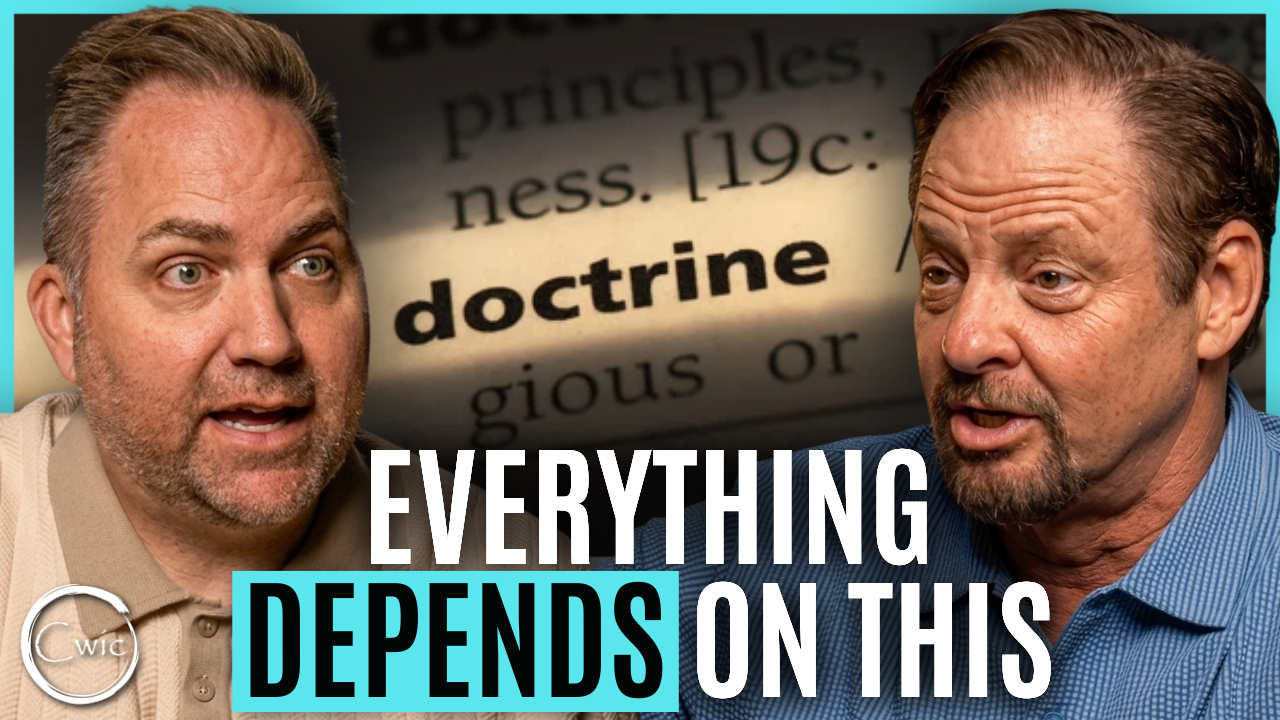
Greg and Kurt Francom of Leading Saints have a frank discussion about doctrine, family, and modern challenges. Why General Conference Doesn't Talk About This More The battle between restored doctrine and the world's competing stories Understanding Christ requires understanding the problem first The Hidden Cost of Losing Doctrinal Depth Are Latter-day Saints Losing Their Distinctiveness? Why Young Saints Are Losing the 'Why'
Raw Transcript:
Are we watering down our doctrine? Are we making things softer, more smooth, pleasant? Down at the church level, is
there much talk about exaltation? The entire purpose of our being here in mortality? The entire purpose of the
church is to support individuals and families to reach exaltation. And are the doctrines surrounding that doctrine
taught and absorbed? Does this have anything to do with why some people are leaving the church? Are they not grounded enough in the doctrine of the
church of Jesus Christ of Latter-day Saints of the restored gospel? And at times, are we actually lifting the church up above the Savior, the church
up above the gospel? It's not the same thing. The Sabbath was made for man, not the man for the Sabbath. In this
episode, Kurt Frank and I discuss these issues. And maybe you felt something similar that the doctrine at times is
not really being taught. This episode is brought to you by the Wavemakers podcaster cruise. This is November 14th
to 21st, 2026. We have got coming to the cruise. We've got myself, we've got Hayden Jackson, Paul, Andrea Woodmancy,
Cardinal Ellis of Ward Radio, Jonah Barnes, Hannah Stoddard, Doni, Jacob Hansen, Kevin Prince, and perhaps more.
all on this cruise together where we are going to bring together this online community face to face with these
influencers. We'll be hitting Mexico, Catalina Island, San Francisco, and these cruises really do become a very
special experience. Great presentations, edifying fun. Go to quickdia.com, cwicdia.com,
go up to the top to trips and events and scroll down to Wavemakers. I'd like to see you there. Here we go.
Kurt, Greg, are members of the church learning enough doctrine and and are we
instilling doctrine enough at the ground level? Right. Sunday school class, priesthood lessons, relief society, home.
Yeah, that's a great question and I'm going to respond. I'm going to go a little Jacob Hansen on you and say it depends on what you mean by the word doctrine. Right. So when you say that
like from your point of view like how what does that look like for you is when somebody's learning doctrine?
First of all I'm going to bring up Bruce Porter is bring up. Okay. So I work with Bruce a lot and one of the things that he talks about is
this idea of you have uh eternal truths that are at the top. Then you have
doctrine. Then you have things like principles. Yeah.
Like self-help principles or good principles. Right. And then you get lower down into policies and etc. And
you look at these this hierarchal structure and and it's very easy to fall down away from those eternal truths, right?
And start looking at more principlebased issues and Mary that opens up the door perhaps to more things that are more
maybe even therapeutic, right, type of issues, which you love, Greg, which I love. And and so it's my my question is is
are we instilling those inter eternal truths into into the church as best as we can or and if not why
you know I think most Latter- Day Saints especially in a lay lay ministry uh people are saying well I mean I go to church and I hear doctrine like they
talk about Jesus they talk about you know principles and things and what you've just explained that that Bruce has explained so often is a doctrinal
model right and I so I First we have to invite our community into this space of saying like this isn't a binary thing like it's either
doctrine or it's not. Now there are some clear doctrines these core core doctrines but I think we really need to assess like what is what is the model
that we approach doctrine with. And so the one you explained that Bruce talks about is a good one similar to that. uh
a couple BYU professors, they um they did a a paper called um models of evaluating types and sources of Latter-day Saint doctrine or teaching.
So, let me ask you just for fun, I'll ask you some questions as far as what is doctrine? Okay, so here's a softball for you. Is this doctrine Jesus is the Christ?
Yes and no. Okay. Yes. Okay.
The doctrine would be the Is that a truth? Yes. Jesus is the Christ. That would be a truth. But that's more of a statement almost.
Okay. So Jesus is the is Jesus Christ is the redeemer. Is that would that be? Yeah, he's the redeemer. So that's a doctrinal statement, right?
Okay. U Satan has power over the waters. Wow. Is that doctrine, Greg? I think that that is a discussion piece.
I mean, you're you're the one going on these cruises here, Greg.
I think you guys are going on the record. there there's some he he's he he's apparently going to have some type of power over over the uh but but is it
a doctrine? Is it a gospel doctrine? Or are we talking about something that is a symptom of the last days? Okay.
Right. Or or is it a uh prophecy? Okay. Of something that's going to happen.
Yeah. All right. Here's another one. You should take the sacrament with your right hand.
No, it's in the handbook. I know it's in the handbook. Okay. Yeah. So, does that make it doctrine? Yeah.
Okay. Is it a h is it a doctrine of the of the gospel? I I don't know that it is.
Okay. Jesus Christ suffered for the sins of all mankind. Is that doctrine? Yes.
Okay. Jesus Christ suffered for the sins of all people on all planets. Is that doctrine?
Uh I I honestly I don't know. Right. I don't know.
And hopefully people hopefully people are playing in the comments section and now we've sparked debate. But the point being is that we need a mo like these aren't this isn't black or white like
right and and so when we say is doctrine being taught like uh you know doctrine can be synonymous with teachings like yeah in Sunday school in elders quite I
typically hear teachings that are in line and sometimes you get the guy in the back row raises his hand and think wait a minute is that doctrine right and
so this paper that these is Anthony Sweat uh Michael McKay and uh Garrett Durkmont he they they put together a
model for evaluating doctrine And it's uh sort of based uh different layers. So the you have the core doctrine which Jesus is
the redeemer of mankind. That is core doctrine, right? You're never going to hear a statement from our church being like, well, we're actually looking at that. We're not we're not quite sure
about the the role of Jesus Christ. Like that's just not going to happen, right? And then you have supporting teachings.
There's sort of that next layer. Policy doctrine. This is that next layer. And then esoteric doctrine, right? And so um
so for example, baptism, would you say baptism is a doctrine like a the that all everybody should be baptized? Yes.
That's a core doctrine, right? Now baptism for the dead, is that a core doctrine? Yes. Okay. I would say it is.
All right. So they they list it as a supporting doctrine, meaning it's not always taking place. Right. Right.
But but it's but there's a truth that it does have to take place.
Right. Right. Because it's leading to a core doctrine. That's why we do it.
Right. And then there's the the policy doctrine as far as performing proxy baptism in the temple and keeping record of them. Is that a is that a doctrine?
It is a practice.
It is a practice, right? Because the first, you know, in modern times, the first proxy baptism did not happen in a temple. And I think it was a female being baptized for a man, right? Which
is so the reality is this policy changes, right? So you could even say the word of wisdom isn't isn't necessarily in this core doctrine as we
know Jesus Christ drank wine. uh you know the the the word of wisdom looked differently in the early church right and then finally the esoteric doctrine
of how proxy baptism will be accepted do we know how that process works I mean generally we have this idea that you know every person we do proxy baptism
for that they have their agency you know it's not like we're forcing it on them into the next life but we don't know are missionaries going doortodoor are they
sort of doing some type of right to signify I don't know right sure so so when we say like Sometimes I I
wonder like what you know when we say when we ask the question is doctrine being taught in in um a church or in our
community that's that's sort of what I'm asking. In my opinion there's a there's a next layer dynamic that I think is the result of teaching doctrine because a
lot of us I think this is something that I think we need to sit with and analyze.
It seems like our community has this trend where we're all trying to become BYU religion professors, right? We want to know the Hebrew. We want to know and you do a great job at some of the stuff.
And there's nothing wrong with this. And I love sort of going deep and and really getting to the meat. But is the point to
turn everybody into a BYU religion professor, PhD that can really dissect the, you know, the the Hebrew or the the
Greek or, you know, all these dynamics of scripture, or are we trying to stimulate a relationship with the divine
that will encourage us into a path of exaltation? And to me, I'm like, that's that's why I go to church, you know, and I I love the deep dynamics of of
doctrine, but I go to church and I I would hope others I I want to create a culture of church that people come and walk away feeling like, oh yeah, I'm a
child of God and I think I can take on another week and because I feel redeemed. And so I think a strong
component of this is is how I would rephrase the question is not necessarily are we teaching doctrine but are people feeling redeemed by the doctrine. What do you think?
I don't think it's enough. Tell me more.
So so let me let me let me give you a little more context on the doctrinal side also. So let's say that that we removed, you know, the the
the the blackboard, the white board, um vision of premortal world, uh the earth
creation and the fall and mortality and uh judgment, uh the atonement in the middle there,
and and then and then the three different kingdoms and that that little space out there, the place we don't talk about, right? And so let let's say we're doing that.
See, in my mind, sometimes we don't, right? I think that would you would you agree that there is
at least in there somewhat a core eternal truth like in the plan of salvation? In the plan of salvation. Yeah, I would think so. Yeah.
Yeah, I I would think so. Okay. So, there's two different sides to this then, right? There's an umbrella area or a framework
that I think is absolutely crucial to understanding the redemption. Yeah. Right. that gives context to everything.
In other words, it goes beyond just a relationship or or just a a I want to say myopic, but
but uh beyond just a one-on-one relationship that gives me context to that relationship. Oh, this is why I'm redeemed.
This is this this up here is why redemption is so important. Not just because I feel better about it.
Not just because there's a relationship that that is built there, which is is what everything is, but if I don't have that core doctrine
understanding that, then the question is is why do I do that in the first place? Is it so I feel better?
Or or is there more to it than that? And if I don't, for me, I need that understanding of why why do I do this? Why is this important?
Why do I sacrifice? Why do I love? Why do I endure? Right? Why go through all
of these things? And while I can say, well, because the Savior wants me to and I want him to like me, right? To me, there's much more of a
12 minutescontext that needs to be in place and an anchoring that that to me is an anchoring and goes to the discussion even of
why people might leave the church or or are there they're disgruntled with the church or or etc. Does that make sense?
Yeah. So, so for example, when people walk out of church on Sunday or out of Sunday school, Relief Society, Elders Cororum, you would hope that they have a
better foundation of the why, not necessarily of the what of of the relationship. No, I I would say that the
primary purpose of Sunday school of of Sunday is the sacrament and creating a stronger bond with Christ.
Okay, that that's what I think is the primary and that's what I'm getting at that relation Sunday school. If let's say if plan of salvation is Sunday school,
right? That that is the why. That to me should be more of the why in there. It's not actually sacrament meeting, right? Sacrament meeting is, you know, I
suppose talks and stuff like that are going to give context, all of those things, but primarily for me, sacrament meeting is an understanding of what the
atonement is, why I should use it, and how is my relationship with Christ?
That to me is number one. So that that's a little bit of a different question, I think.
Yeah. Yeah. And so you're saying in in in that framing, doctrine is being taught in Sunday school talking about the the purpose of the
atonement and applying it through the sacrament. Yeah. Or or just in that setting. Well, that depends.
For example, what is the sacrament? It's a do I understand what this is? Uhhuh.
Right. Do do I understand what this actually means? Do I understand that the what the atonement is?
Because if I don't have a good understanding of the atonement and how to use it, right, then then I think my experience is very different during sacrament.
For sure.
Right. So, so in other words, yes, there if I have a better underlying doctrinal understanding of those things, then that changes my relationship, right? And that
that allows for my relationship, I believe, to grow more.
Yeah. And and would you say the hope is is that underlying understanding of the atonement should come from that that
second hour, third hour. I don't know what we're calling it now. Second block, third block. once we move to or I don't know if is going
to do it honestly but uh like is that sure that that would that would be more where it is and and uh and then of
course more than anything it would be through your own study person because someone could make the argument of really the only thing that happens on
Sunday that we can't just do on our own is the sacrament right I mean it has to be facilitated through pries of keys and these things right so the argument could
be well why don't we just show up for a few That's a church and do the sacrament. Greg Greg's had a new prediction at general
conference. We're going to five minute church. Yeah. But I mean that's so and I think a lot of members are asking themselves this question of like okay like I want to come I want to I want to
be a churchgoer and I come to sacrament and I want to take the sacrament and I'll sort of just suffer through a few talks if I need to. But there's a huge
uh exit that happens after sacrament meeting a sacrament meeting because the value is not I I don't know I can only
speculate why individuals and we've had discussions like this on leading saints about what's happening during that the second half of church where people are
retreating and why and some would say well it's boring some would say doctrine's not being taught some would say um it's nap time I got to get my kid
home cuz I got to deal with this kid the rest of the day Right. So um so that that is a question of like is it the
does the church have some level the institutional church that that Sunday experience have some level of responsibility of saying we we will
teach we will give you that foundation of understanding of what we just did with the sacrament.
I I think that that would be great. I don't know that that's really what is accomplished. Oh yeah. Usually that's and that's the question like is I would
say most people uh would hesitate to say it's hitting a home run. We find there are outliers for sure and I hear about
these outliers where people saying oh we have this phenomenal teacher or you know the way we do it it's it's great right
and and to me I wonder because I I I don't want to leave this question behind of like I I do fully believe in this
deep purpose of understanding and learning doctrine. However, I don't go to church because it's a just this, you
know, treasure of doctrinal knowledge that I I don't walk out thinking, "Wow, I learned so much today." It would I go to church more for the community
dynamic, the relationship dynamic. I want to hear how my fellow Latter-day Saints are engaging in the gospel and being redeemed by the gospel because
that'll give me hope to continue on in that type thing where I think a lot of the onus is on us as individuals to learn the doctrine. Right. So, yeah. And I agree with that.
Yeah. I I I would agree with that. But but but it's still, you know, outside of that, we've got seminary, right? We've got institute.
Um come follow me program if you're actually come following me on it. Come follow me.
So there so there are other you know areas that the church tries to get people to focus in on the scriptures and but in my experience right I've been
doing this for eight or nine years and so I've gotten an awful lot of feedback on on these types of things
and I don't my feeling is that we we don't do a good job
of putting down I if if someone came up to you and started asking you questions about why do you go to church?
You know, what are your answers going to be? Why why do you believe why do you believe in in the church of Jesus Christ of Latter Day Saints? Why why do you believe Joseph Smith was a prophet?
Um why why why does what is the the atoning sacrifice for you? You know, I mean, I don't know that we're all well equipped
to to answer all of those questions very well, especially in in in in a way where, hey, it might be important or it might be really good if you could
articulate this and and if you can't articulate it, are can you articulate it to yourself? Right.
Right. Because that's that's that's usually that usually goes together.
Yeah. And I have to say this, like it's one thing to know the doctrine, it's a whole another thing to be able to articulate the the doctrine. I think that's why we we there there's such a
benefit that came to both of us individually. I don't mean to speak for you, but to be in front of Mike and being on on a video and saying, "All
right, now now articulate that." It's a whole different game than just saying, "Well, no, I believe it. I just I don't know. I don't know how it works, but I heard it once and a seminary teacher put
it great once and I believe that." You know, it's like, well, I think there there's a a benefit in not only learning doctrine, but being able to articulate
it that way, right? So, so I I guess the I want to make sure I'm I'm on track here of like with the with the practice
of learning doctrine like are we are we analyzing what's happening in like the institutional structures or just in the everyday latter saint experience?
I don't think it matters. I mean I mean we can look at the institutional structures. That's certainly a part of it. And and I I would guess for for the most part we we do you if you're talking
seminary and institute I'm guessing you're we're pretty doing a pretty good job of getting that information out right to people. Um but I I I look at
different things where we struggle in the church right now and this is struggling throughout Christianity, right? and and that is different issues
that that I think are number one they're measurable and number two they they matter right so
so one would be uh the fertility and birth rate right is dropping dramatically right we
we're we're way below replacement in the US some countries are unbelievably low like Korea and Japan
etc uh they're in real trouble right economically society
uh defense everything is is going to be an issue for them. Um marriage, right?
People aren't getting married the way they used to get married and and they're pushing off getting married and then they're pushing off having kids and we can talk about economics and the
difficult times of how to get a house and different things. Yeah.
But when you look at the Great Depression, it it it did drop a little, but it's nothing like it's dropped now. So I I I
just question the idea of economics being the real issue or is it you have to sustain a certain lifestyle? Yeah.
Right. To be able to before you can have and so you're saying that the deficit of doctrinal knowledge or understanding is contributing to that.
I believe so. I believe it's contributing. I'm not saying it's everything, but I do believe it is contributing to those issues of why.
And and and I'm just wondering if there is enough of an emphasis within the church because again, I mean, these problems are throughout the country, right? They're throughout the West.
We're getting and and it's so it's not just a church issue. Mhm.
But we have some amazing restoration gospel principles and and and doctrine.
Yeah. if we leaned into it more that that maybe that would benefit things thanks a little benefit us a little bit more. Why is marriage so important? Why
does it matter to go take a risk on someone for your entire life? Why does that matter? What's the point?
Because look at all the negatives that I'm getting from social media and the media everywhere and friends and so and so got divorced, so and so had a bad
experience. Why is it so crucial for me to do that? Why is it so important to be a parent?
Yeah. And that again as I go back to just that very simple plan of salvation.
Are is there enough focus in on those doctrinal issues to understand the incredible fulfillment that
responsibility and risk and commitment actually give someone?
Yeah. And I would say that the worldly doctrines are often winning out in that in that argument, right? just because of the structure, the nature of the social
22 minutesmedia world we live in and media and things like that. And so our hope and I think what you're you're contributing to is how do we create a balance there or
even you know way really heavier on the on the restored gospel doctrines that can counteract some of these false empty messages. Right.
Well, we're we're on the same track. Yeah. There's no difference.
There's no difference between the direction we're going and the direction the world is going. We we lag behind a ways of several years,
but we're going the same way in in in these things that I'm speaking of, right? We're going in the same direction. And so, you know, you've got
the uh the example of the city on the hill. Mhm.
Right. And and it's like, okay, do we do we drop doctrinal issues that seem uncomfortable for more and more? Right.
You've got a you've got a loop. You've got a spiral that ends up happening where for example more than 50% I think
we're closer to 55% now of all church members are single. Mhm. Okay. So who do you need to talk to?
Who does the church need to message to? To the singles.
To the singles. Okay. Now what happens when we get to 60%. What happens when it's twothirds? Yeah. That's the direction we're going. Right. Right.
All right. So where is the messaging of the church really going? And then everyone else is saying, "Well, wait a minute here. You know, I I I thought the
message was this over here, but we want inclusion.
We want charity and love and outreach and and everything else that we should be doing.
But that that that ends up being a spiral of messaging and teaching and how are the manuals set up and who are we
talking to and and uh are we offending even now a larger group of people if we're really focused on family.
Yeah. So I think a lot of people hear you know this what you've articulated there and it's natural to go to a place of like yeah you know what like why
aren't they saying this in in general conference like why aren't they having strong messages clear and and not saying there are but we often my point is we
default to this place of like yeah like the institutional church needs to do something about this when my my argument
is like no we all need to do something about it fully agree yeah so the fact that you know the quick show exists this and there's a list of
other podcasts there's other um resources, books, perspectives and we get sometimes whether the institutional
church or the more orthodox member of the church gets nervous because they're like well I don't know I mean this isn't correlated this isn't this isn't church sanctioned so can I really listen to
that and so then they kind of get in a in in a vacuum of information where they don't even hear these things and before they they know it sort of a lot of these
statistics have have gone wild right and it's hard to to pull the reign of back in that dynamic. So um to me this is
where and I think I I feel is this influence of like the the Zion builder.
I I often go back to the you know with leading saints we want to be the rallying point for the fifth covenant in the temple that we dedicate our time and
talents and everything which the Lord has given us for the building of the kingdom of God on the earth or his church and so forth. A lot of us sit in the temple and we hear that and we're just sort of like
oh this I think this means we're almost done. you know this is great and we don't I don't think we've really sat with it or we default to a place of oh
yeah you know if they have ask me to be the activities day leader I'll I'll give it my all right like no I think as Latter-day Saints specifically as a
covenant people we are constantly being invited into these into these journeys of influence that we need to step into
you are a perfect example of this I hope I am where I've stepped into this thinking I don't know can I do this well I'm going to do it and see what see if I
can help people and we both know the impact that these platforms have had and others where where we can be a stronger
and stronger voice as Zion builders. And so I just would hope that um individuals listening if they're defaulting to that
like yeah you know what the institutional church should do something about it like no no no like and I've walked the halls of of the church office building I've met individuals phenomenal
people who are behind the scenes striving and there's dynamics there that I mean it's such a huge organization there's bureaucracy there there's
sometimes it's hard to get to to have that influence make it down the row and so for us as the local church, not
depending on the general church to to have this influence of doctrinal teaching or of of of you, you know, going online and at least putting the
argument out there. You don't claim to be all knowing or have the right answer, but it's like let's just talk about it.
I think that that is that is the lynch pin, the pivot point that will will influence people more than well, we just
need, you know, three or four good general conference, you know, messages and why aren't they happening type of thing. Um, so hopefully people feel
encouraged and and really that's in my opinion how it should work. You know, I think that you're you're bringing up a good point that uh it it we've gone for
some individuals still and and for some for a long period of time, maybe generations. You know, you've got the
history of the church, persecution, death, horrible things happening to the saints.
Horrible, horrible things happening to the saints early on. moving from place to place. Finally, basically, there's no place for us here. Even in a free world
with under the US Constitution, there's no place for us even here. Yeah. So, we're out of here. Yeah.
Right. Okay. So, we're going to turn inward.
We're we're going to preach to the world still, do everything we can, but but we are a separate people.
Very much so. A very separate people, hated in some ways.
And uh one of the great barbaric movements at some point was called in the 19th century. Right. Sure. You've got that heritage
where where it's we're we're separate and and so what are we building up that's separate? Well, there there's the gospel of course, but it's also the church itself.
The church is part of in a way our temporal salvation, right? It has been to to save the saints, I mean, from the forces around us.
And so, you've got this idea of building up the church and building up the church and building up the prophet and the leaders of the church. And but there's a
point where, you know, you've got the saying of of of Jesus that says, uh,
the Sabbath was way made for man. The man wasn't made for the Sabbath. Right.
And I apply that to the church. Oh, absolutely. Yeah.
Right. And where where it's like, wait a minute, what are you how are you actually looking at the Sabbath here?
Right. Is is the Sabbath your God? Is is the church your God?
Because that's idol worshiping, right? Absolutely.
Right. And and so and so if I'm putting it to that degree where I say, well, I rely completely on the church to handle
these things and I'm waiting for the message here from somebody or whatever else it might be. It's like, look, I can
wish for something like that, but I'm not I I for me to delegate my agency,
my will, my action to the church, that's a problem.
Yeah. And a good example of this recently is the upcoming change to the second hour being split into two blocks, right?
You see the the discussion online or elsewhere, it's always framed in this context of like, how are we going to do that? How are we going to serve the 25
minute schedule, right? like what do I what do I need to change in order to do that when in reality we're not made to serve this this structure right and I
know it's in institutional direction and things but just yesterday I was talking with a bishop who said we counsel together as a ward counsel and we've
wrestled over this and we feel strongly that what our ward needs is 10-minute breaks in between each one of those not five minutes to me I'm like yeah that is
exactly what priesthood keys and direction look like now there might be a local 70 that comes hey what are you doing here you're doing it song. Well, great for that 70 to understand the full
context of saying, "Oh, no, no, this word council came to we council together what our local adaptation looks like and
this is the direction we're going." Right? And so, I really hesitate as people as we approach this new schedule, it's not about how are we going to serve
that schedule. It's about what do our people need and are they being taught doctrine? If not, how? Right? And I want to be clear on this is like as I say
these things about Zion builders what sometimes frustrates me is everybody goes out and starts a a YouTube channel or a podcast thinking I'm doing it right
like I did what Greg did. I'm doing like that's not I mean if you feel inspired to do that the water's warm jump on in right but a lot of this is these local
things that these influences you can have. So for example a lot of people miss this part. Back in 2018 when we went from to , Elder Cook
stood in general conference. It's this one of these like let me let me unpack what this is and what we're trying to do. This is what he said at one point in
and this was October 2018. He says in the home centered church supported portion of this adjustment. There is flexibility for each individual and fl
family to determine prayerfully how and when it will be implemented. For example, while this will be greatly
bless all families based on the local needs, it would be completely appropriate for young singles, single
adults, single parents, part member families, new members, or others, which is pretty much anybody else, right? to
gather in groups outside the normal Sunday worship services to enjoy gospel social social so sociality
and be strengthened by studying together the home centered church supported resource. This would be accomplished
informally by those who so desire. Now, I've never heard of any of these types of groups forming. Maybe in a, you know,
a singles ward here and there or whatever, but linger.
Yeah, lingerong or whatever. But it's like we we have some flexibility in here. If you feel like how do we do this in ? You don't have to in 25
minutes. You can do this, right? And it was interesting a few weeks ago. I sat in a meeting. Uh I was invited to sort of a celebration of hundred years of
institute of religion that the church has, right? They showed the stats.
Phenomenal. just the impact on testimony and those who you know stay engaged in the gospel and things I mean it's just an inspire inspired program no doubt so
I was sitting there and I raised my hand and you know this member of the the general Sunday school presidency and I said I so I'm just curious with such
great success in with this organization with this institution why not why isn't it available to all ages and he kind of
looked at me like I had four heads right but and I get that I kind of put him in a tough position but the point being is that um then then he alluded to this
later on in his answer. He says, "Well, stakes can start instit institute-like classes and follow the curriculum and do
this right and it's in the handbook 1521 says stake presencies may desire to provide religion classes for adults ages
36 years and older. These classes are not function are not a function of the SNI or seminary institutes and are not
called institute classes. However, institute curriculum material may be used for them. And so again, may be used or must be used.
May be used. Hey, he's finding a loophole. This is good. I love it. But the point being is that if you feel like is not sufficient time to
teach doctrine or to get into it, start approach your state presency about this. Absolutely.
If if they turn it down, hold a gathering in your off in your in your home. It's your home. You can do what you want that then and bring people in and and and learn the doctrine and talk
about these issues. Maybe some of these things are too politically charged, it feels like, to bring up in a formal Sunday school class. Well, there are
people in your word and others that want to engage with this. How do we how can we create an influence in our local community and in Scottsdale in in Salt
Lake and in, you know, wherever and and have an influence here to and and there's example of example of Zion
builders like this springing up having influence this way. And so I I I I hope this is more of an invitation of people saying like there there are issues to
look at, but there you have a lot of influence to to address them.
So it seems like based off of the quote you gave of Elder Cook there. Yeah.
And this is what I would guess even though I don't think that this has been directly stated by the church.
But it seems that especially starting with President Nelson that there has been a conscious shift
to move people away from the idol worship of the church, right? And center it in the home. Yeah, for sure.
I I mean the practices, the the change in policies, all these things all seem to direct us that way, right? And and so
then the question is is well, okay, how much do I rely on the church? and and and and really we ought to look at what is the purpose of the church.
Mhm.
Right. So so if the Sabbath is for man, if the church is for an individual and for families, then the question is how does it support
me? So I think there's still legitimate questions for someone that says, "Okay, but how how am I getting support with
I I think one of the one of the biggest I'll say complaints is that I get all
right that I hear back from on this is is why doesn't the church call things out?
Why isn't it calling out this problem or that problem? And I would say that the church aside from also moving into a
position of hey you need to stand on your own two feet which I think is absolutely necessary as a member of the church as a family as a parent etc.
It's also moving, at least in this stage of the church right now, it is moving into a
invite all, gather all, build bridges everywhere we can.
And it really pulls away from well, we don't want to call this out or this out because this might be a problem over here with this relationship and this
relationship and that relationship and we want temples in that country and we want etc. Does that seem like Yeah, that's and that's a fair question
and I would imagine we could follow any individual or family around for a few weeks and being like, "Oh, I've got a list of feedback here of thing things
you need to do different. So why don't you do A, B, and C cuz you're doing it wrong type of thing." Right? So it's very easy to be outsiders looking in
institutional church and being like, "What's the deal here? Why aren't you calling these things out?" The reality is is, you know, in my life experience,
especially when it comes to leadership or or those leading an institution, if we were in all the meetings they were in and had all the information they'd have,
I think we'd have a lot more of a a softer understanding and empathy towards that. So, I always want to go to a place
of I just don't know, right? And that's the answer. I don't know why the the church doesn't do that, but I'm I'm pretty sure they have good reason that we don't fully understand all the facts.
Now, that's not the best answer, whatever it is. But the reality is is that there is a lot more that we can do
as individuals and uh to to engage in in these discussions to be the one that calls it out, right? And
you you figured out how to to walk what he said, the walk the sword, the edge of the sword there, right? It's it's tricky, but you you do a great service
because you model how this could be done, right? and you also model that these individuals aren't alone with these concerns and things. So that's I I
wish I had a better answer for that, but the reality is is that we just don't have all the information, but the more that I engage with individuals working
within the institutional church, the more I'm at peace like I think they're making the best decisions that with the information they have and they're not
38 minutesperfect decisions, but they're doing their best there, you know. Okay. So let me use one simple doctrine.
I think it's simple. as as an example for for setting the stage on this exaltation.
First, let me just ask you brief answer.
Do you think that we emphasize exaltation in church with individuals teaching like a Sunday
school teacher, a priesthood teacher, a relief society, young men, young women as much as we did 25 years ago?
Well, give me an example. When you say emphasizing exaltation, what does that what would that look like? Is that do you do you understand what exaltation is and are you striving for it?
So exaltation being like the the the the behavioral practices that we can do that will refine us. The goal of exaltation
the goal the view the the framework of of exaltation. Do we do it more than 25 years ago? Definitely not.
Okay. I I think definitely not too.
39 minutesYeah. Okay. So here so here's which which I would say this is where we would probably differ. I actually think we've we've corrected in a an appropriate way, but we're we're not
there. Like to me, it was too heavy-handed way back then where we lost the we completely lost the grace and Jesus in it all.
Okay. So, let me let's back up to where you're at then on this. So, why do you think it was overhand overhanded back then? Let's start with that. I think
naturally especially in such an institutional church we those in in control there the human nature comes out
where they want to really influence how those in the in the church behave.
So you're talking a behavioral behav it was a behavioral motivation. Yeah. Okay.
I think that's true. I think that's right. I think what's wrong with that is that is the behavioral portion of it.
While I do believe in influence for good behavior, I think the most important thing again is twofold. One, awareness of the ex of exaltation. What is it?
Right?
And secondly, again, why why is it worth striving for this? So those are two separate things.
If I'm judgmental because of your behavior, right?
If I'm lacking mercy because you're not behaving like someone who's moving toward exaltation, that's a separate issue. Mhm.
That's a that's that's a problem, I think.
But do I pull back then along with hey, we don't we're not the judges here.
We're not the ones sifting out everybody, right? Uh do I also then pull back the awareness?
Do I do I pull back the conversations on why to go along with that pullback on on judgment of behavior?
Right. Yeah. And I I I don't think we definitely not pull back on the the the wise or the understanding of it. Right.
The concern I've seen is that the understanding of it has become really um morphed or misunderstood where I would
say that the general Latter-day Saint when they hear exaltation they think families are forever and they hyperfocus on that. No empty chair in heaven.
Is that doctrinal?
The the what families are forever? I would say no, it's not doctrinal, but because we see as more of a location or geographic thing when we simplify that family home.
Yeah. Etern Yeah. We all live on the same block and if Johnny decides to leave the church or go, you know, he's in some faroff land and is so sad that
we don't that's just a a contorted way of understanding what exaltation is. But I think that's where we're at. And so then
it becomes well where most members would say oh yeah no we focus on why we we sing the songs of eternal families and
all these things but we don't truly understand the where the the ex how that is framed in exaltation where we are be
you know exalted uh to become more like our father in heaven in in that realm. Is that is that fair to say?
Yeah. Yeah. I I just think I just think that the my observation uhhuh is that yes we have pulled back on
discussing the idea of exaltation. I mean President Oaks a couple years ago he came out in his general conference address and said specifically the
purpose of the church is to support individuals and families toward exaltation. That is the purpose
of the church. So if you don't talk about it, right, what what is the purpose of the church?
Why why would we not speak of the purpose of the church and the purpose of bringing someone into baptism in the first place? Mhm.
Right. And and so so what I'm trying to get at is that to me is is the doctrine.
Is is understanding there's a couple of eternal truths and and this gets into the level of judgment that we don't like to talk about much, but it's like
and I say judgment, I'm talking about judgment, the the judgment. Yes. Not not judgment between us. Right. Right.
But is like for example, no unclean thing can enter the presence of God. That's a big deal.
This is Yes.
Okay. So that's that's a big deal. That to me is an eternal truth. Right.
And everything in the gospel and should be everything in the church should be focused on that problem.
All right. It should be focused on that problem and and and and that includes the plan of salvation. Right. The atonement is not the center of everything.
The atonement is there because of that problem.
Right. It gives us a means to get past it. Yes.
Right. And and so if I slip away from that doctrine and and I understand that, okay, now we're talking about issues of
shame. We're talking about issues of guilt. We're talking about all these different things which I think need to be discussed and how we handle these things.
But that is the problem. That is the problem. That's the reason the prophets are out in the scriptures preaching to everybody. It's why they talk about an
urgency. It's why they don't if they could just get one person to the gospel, you know, how great will be their joy.
It's that's the problem. Yeah.
And and and and everything in the plan of salvation is to figure that out, right? So on paper, I completely agree.
Here's here's I think where we might disagree is that similar to a conversation we're having before being recorded that that is true but it
doesn't exist in a in a mortal vacuum because a lot of individuals go out Monday through Saturday and get pretty beat up in mortality with the grind of
work, tragedy, addiction, struggles. I mean the list goes on and on. And by the time they walk into Sunday, the last
thing they need of is is a message. And this is typically where we default. this is uh really corrupting our culture in a negative way even though it looks right
is a lot of them walk into sacrament meeting state conference and they hear you know you're just not doing enough don't you know exaltation isn't really
45 minutesimportant here and what come on let's wear the garment right this is all about exaltation right but they've been so beat up in the world that they and this
is the paradox of grace that I often talk about but you're talking about behavior right but but I think general members of the church interpret they hear exaltation through a lens of behavior.
They're thinking, "Yes, Greg, I want that. So, what do I do to get that?" And so, cuz they're hearing, "Okay, he just
said no one clean thing can enter the presence of God. So, oh man, I'm dirty.
Like, I I got all sorts of problems. So, what do I got to do? I, you know, I I I do slip up with the porn or I, you know, I I got to do my ministering more."
Right? So they default that that the the natural man will default and the enemy wants him to go to a place of you're not doing enough right and so that's the the
the paradox of grace is if we can create a culture of grace and redemption the natural inclination is to turn to that
eternal God and say what do I need to understand to become more like you and then they're on the right path to to figure that out in my
okay so I I would say that yes the culture of grace and redemption is crucial but that's why it's the good news. Exactly.
If you don't understand this problem and you might not care. Some people may not even care. Right. Fine. Right.
And and agency is supreme. Mhm.
But if I don't understand why the good news is such good news, what is the reason for that? Well, it's because that problem is stands in front of us.
The problem of exaltation. The problem the problem of judgment. Oh, yeah. Yes. Okay.
Right. The problem of judgment stands there. And and again, I I I am a firm believer that we all self- select
on where we want to go, what we want to do, who we want to be, and we need to be better at allowing people to do that to some degree.
Yes. Sure.
Right. It's it's I need to be able to love you regardless of your behavior, regardless of what you are choosing in your life.
Absolutely.
I love you and and I support you and I want what's best for you. I wish you could see this over here. And if there
was ever a time where we could discuss why I think it's better, I would love to do that. Yeah. Exactly.
Right. But but you know, I love you regardless. Right.
But the good news is not the good news unless there's a problem that's in that stands in front of it. And I think
what I'm trying to say is I'm trying to get back to that why. I I don't think we do a very good reason a good good job of
explaining the reasons for for the the atonement. Absolutely.
We we we remove this over here because it's uncomfortable and because people whittle it down to just that
checklist. Am I doing this? Am I not doing this?
Instead of saying instead of saying and this is my belief, this is Gospel by Greg. You know, that's the cherubam.
Judgment is the cherubam that's put in front of the tree.
and and and so we've got a problem. How do we get past that? How do how do we get to the tree regardless? Well, I'm going to provide a savior. I'm going to
provide a redeemer for you. That is core doctrine that we get from all of the scriptures that we get from the temple experience.
And and without this idea of the the cherubam standing in front of the tree and the problem that we have,
the context is lost. I believe. I think it's lost and and and it becomes a little bit more like our very good
friends, the evangelicals and others and the rest of Christianity where it's like, well, I just I believe instead of turning those things into a
transactional idea of behavior. Well, judgment's here, so watch out.
Right. Or or uh um I need to watch out for others in the same way, and I've got to show them how to do this. And and
instead of that, it should be the atonement. Look how beautiful this is and this plan is. And why do I want the
exaltation even though it's hard? Why do I want exaltation even though I have to go through that judgment and and and
have to go through pain and opposition and adversity and shame and guilt and
everything else sometimes? Oh, because I've got I've got a redeemer. I've got the gospel and I think it's worth it.
Absolutely. Right.
Yeah. So, taking that to maybe the application level of like so what does that mean for our church services or
just the everyday Latter-day Saint is it is it a you know going back to the original question of of that the
doctrine. Is it a a hyper or an emphasis on on studying the the doctrine to get
that understanding the why or is it more lived experience or I think it's both but I I think that I think there's got to be a stronger
emphasis on that core doctrine. Those are core doctrines and and and again if we don't have the context of the
atonement then I think my my relationship with the savior suffers. I can have that much more joy.
Yeah. in the atonement and in the sacrifice of Jesus Christ and in the love of God if I understand the problem to begin
with. Now obviously we've we've gone on a pendulum on this where where we were hyperfocused on this
side of the of the judgment and behavior and and how do we fix this and etc etc without and and basically it was more of
like a guy's kind of just get your act together.
Yeah. the duty the duty and just get your act together, right?
And and and we've swung, I believe, very far to the other side, right? Where where it's don't talk even
about this sometimes, maybe ever and just talk about the love and the relationship here with Christ because all you have to do is believe, right?
And and God loves you no matter what. Right.
Right. I I think both of those sides are a problem.
Yeah. And and my contention would be that with that pendulum, it's not so much um where we're at as far as where we're stuck. So if we need to go to the
other, you know, if we need more emphasis on the other side of the pendulum, sometimes the best way is to have that that gravity of grace pull us
higher on one side so that we can delve deeper on the other side. where where I see the problem is is that people go up the the
you know the the law side of the you know maybe where we were 25 35 years ago and they get stuck there and that's when they're in the checkbox mentality of
like all right I've got to do all the things or else I'm not loved where other people because they're beat up by mortality need that swing towards the
grace side of being like I just need a Sunday to remind me that I'm a beloved child of God so that I can walk out there face the world and when we're in
that state of mind We naturally want to swing to the give me more. What what what more do I need to understand? Tell me about that ugly judgment and and help
52 minutesme understand how I can overcome it through Jesus Christ type of thing. Does that can we reframe more what do I need to do
and and a checklist of things to to becoming? Uhhuh. Yeah.
Right. And talk more and just say who do you want to be? Right. Who do I need to become?
What do you want out of your life? and and who do you who do you not even who you need to become, right?
It's not who you need to become. Who who do you choose to be, right?
What here's your alternative. This is how I would teach my kids, right? So, it's like, look, you can be whatever you want. Mhm.
You can choose what you want. You could choose a celestial, a terrestrial, a celestial life. You can choose what field you go into in your business and
and and uh or or or you want to be a stay at home mom. can choose all of these things and and give the options
and show why there's options, right?
But then come back and say, can I show you what my experience is and and why I think this over here is really really good. You may not like it.
Mhm.
You may not choose it. Okay. This is harder.
Let let me show you why I think it's really worth it. Right.
And frame it in those types of terms instead of this is what you need to do.
Exactly. Exactly. I think that's a very powerful framing of the gospel is is I hope that every Latter- Day Saint every individual is in a state of mind of like
I want to become better. I haven't arrived. And this is why some of those statements of you know God loves you just how you are which is true. However,
if we get stuck there and we we if we get stuck there or people say the gospel is just about love, Greg, just about love. I'm like, "No, no, no.
The gospel begins with love." And it's that love that invites us in. And then and in any loving relationship, you know, I think about the one with my wife
where, yeah, that that really started with love and now I'm in it and I'm thinking, hey, how can I be better? You know, how can I show up better for you or what am I missing? Right? And this
natural progress of becoming in the context of of love rather than just being like, oh, you don't love me anymore. Like, well, you're a bad person because you should just love me where I am, right?
This is why I love our conversations. Great. This is great. What is love? Depends on what you mean by love, right?
Um I mean love is uh I I I bring that up because I think it's to me it's misused an awful lot.
Right. Right. And you've talked about the different levels of love, the romantic love and things like that where uh love is in in my opinion the simplest way to say is acceptance of who you are.
So God's love is an acceptance of who you are. Yeah. Because you are his. He made you.
He loves you. Whether you change today or not, he still loves you. That that fountain, the spirit of God's love.
What does that mean? What does that mean? He still love What does that mean? It means why does it matter?
It's it's a it's an infusion of hope that I wait. He still loves me. Like after all I've done. Yeah. You can stand up and keep moving.
No, no, no. What is that love, Curts?
55 minutesLike, what does that mean? You keep bringing up that he still loves you.
It means What is that? that it's a it's a communication that you are his that you belong to him that you belong to him that he made you
that he has every hope and and desire that he placed in your heart. Okay.
That in in a simple way and I know this is a charge term but he accepts you. You are accepted and it doesn't end there.
I think there's a much deeper level than that. Take us there. Go ahead. Take us there.
I think I think anciently when you look at the word love whether it's used inside the scriptures or it's inside of documents, historical
documents, whatever else, temple walls, whatever it is in Egypt or wherever you go.
Love is a verb. It's not a feeling.
And so if God loves me, why I think what we're typically saying in our culture, in a modern western
culture, is he feels a certain way about me. Okay.
Okay. So my first question is why does that matter?
Why would that matter how he feels about you? Well, because maybe you feel judged, because you feel you want to belong or different things. We're still
talking about feelings, your feelings and his feelings.
I think the greatest act of God is pain and suffering. Absolutely.
I think that he loved us first means in the plan of salvation, the father offered the son and the son said, "Here
am I." Uhhuh. It's an action. Yes.
And it's an action of love because of the pain and the suffering and the sacrifice and everything that had to be done.
So why did he do it?
So why did he do it? Sure. Why did he do it? Because now and you go back to say why. Because he wanted to choose to love
all of us and that's how he did it.
Because how he felt about us, would you say?
I don't know. I I don't know if that's the case. Yeah.
I mean, maybe it is. Maybe there's a feeling there. But does the feeling it's chicken or the egg? Did the feeling start or did did he Right.
You know, how does it work with your wife? Mhm.
You were saying it starts with love or some type of romantic love maybe or something that starts off there.
I I think that certainly at least in the evolution of that process in my experience is it's lived experience with that person.
And the love is all of the sacrifice that I make and certainly that she makes for me and that I make for her.
Mh. In creating a relationship. Right.
Right. that it it is it is and so when I say I love my wife it is there's certainly a romantic part of that
but it is much more concretely built on endurance on sacrifice
on willingness to do anything uh that is developed through action sacrifice and oftenimes pain
right right so I think that that context is often left out when we talk about the love of God and then and then do you love God?
Yes.
Okay. So, how do you love God? I keep his commandments. I feel really good. Exactly. I feel really good about him.
You know, it's like well Yeah. And I guess again it's like the chicken or the egg of being like yes, love is a verb, but like what sparks like uh why why is that verb happening?
Well, why does he feel that? Why would he why would he end up feeling that for us in the first place to say that I'm going to give up my son? Well, I guess you could ask, why do you why do you love your children?
They're they're they're under my stewardship. They're they're under my uh responsibility and because I would do anything for any of them the moment they're born.
Uh-huh. Yeah. And and but it's not because of any anything that I've done already.
Right. It's just there's something about that. Maybe we're talking about the cosmos at this point that it's hard to really articulate. But that's the thing is that I I believe that it's the
feeling of endearment of like when I look at my children even the moment they they showed up in my life, it's like why do I love you so much? I don't know, but
I will do anything for you. And so when I to me the the beginning is for God to articulate to us, I love you.
I I I'm not I don't need to like do the equation or the math to explain to you why I love you, but you are loved. And that sort of awakens somebody to the of
orienting ourselves to God of saying, "And now I will do anything you ask me to do." Right? And, "Oh, I I got off course. Oh, I'm back. I'm repented. I'll do anything you asked me to do." Right?
And this is the this is the mortality exercise that we're we're playing in.
Um, but it starts with that love of just the simple because of nothing you've done, for some reason I'm deeply uh, you know, I feel that towards you, right?
Even though that's not where love ends, just the beginning.
It seems to me like again though, it feels like this is more of a the joy part of things, right? It's joy. We want joy.
Joy is is is part of what we talk about with the tree of life, etc. up. We're taking the fruit and and it's but over
time at least maybe not initially but over time that is a consequence a symptom
of the sacrifice right and and the endurance and and and the uh uh fidelity and and everything else and
that's what it basically becomes right you know and and I think that we oftentimes again we talk about a very
feely thing that is is is is not I don't think that has a lot to do with
relationship compared to what has been done for you.
Right? And that's where I say this is a starting point is that feeling where if we were to go back in time, you know, we've been my wife and I have been married 20 years. If I was to go back to
day one and hear myself say, "Oh, I love Atlanta." I'd be like, "Oh, you have no idea. You have no idea what love is and the depths to which you will go because
of what you're about to experience." And so that's the journey when the more we understand the why and what is the atonement like do you really understand
what Jesus did for you like that's like oh I I couldn't even consider this love right so we can't just hang out in the
well I feel God's love so why why is this important oh no there is a journey of love here through that the verb of love that will take you to whole
different levels of exaltation okay so this is exactly what I wanted so maybe he'll have me back I don't because we're talking about why.
Yeah.
Right. We're talking about the wise. And and I don't know that we get into that as much as we should. And again, to get that, you have to have the doctrine. You have to have core doctrines understood.
Mhm. Yeah.
And and and then you can build a framework of a worldview and of an understanding of that mercy and and that love that God has.
Yeah. And and I feel that if we don't have those things in place and we're not
teaching those things to our children to uh in our classes um at home through you know whatever
scripture study whatever we're doing that you have a lot easier chance of saying I'm falling falling
from the church of questioning your marriage of questioning uh the fa you know of of
maybe not quite mustering the faith to say I we need to start a family because the why isn't there and there's
so much noise and so much other uh uh wise you know that are coming from
the world that say well you know you got a 50% chance of making it as in a marriage you you know why you want children you've got to get to a certain point in your
life economically before you can start having kids and you know all these other things instead of no but see I've got this jewel here right
that I know about it is the central why of I'm doing these things and I don't think we discuss that enough
we don't and and I think and I don't very off another tangent a lot of it is you know you've referenced this this journey of suffering right obviously Christ has a journey of suffering but
this is where I feel like those outside of religion who don't maybe grasp these wise can't really reconcile the pain and
suffering of the world and so it's like no no no don't bring a child. I mean, have you looked around? Don't bring a child into this like or you know, wait
or don't get married. Like, do you understand the suffering? Just avoid it.
Avoid avoid. And that's our natural man of is constantly avoiding suffering. But it is in the suffering where you find
that crucible that draws you to to your divine nature to God to where you become something right when you understand the doctrine.
Absolutely.
Yeah. Um it's also I think a cause of a lot of the philosophies of men.
4 minutesYes. because it's it's well I'm suffering so somebody's causing this
and the focus becomes on this or this system or that system or that group or this other group and so it's a lot easier to deflect
my suffering when I have no context for it. Right. And say you're the problem. Right.
Right. it's out there when in reality the problem is actually inside of you and figuring that out and understanding
the context of suffering and adversity and a savior, right? It's it's the the greatest example of this, I think, is is the the the trial with Pilate.
And you've got the elite Jews there, right? Those that are running Jerusalem that are there calling for crucifixion of Christ. And you have two examples.
You've got Barabus.
Mhm. which means son of the father and you've got Christ who is the son of the father and you've
got a day of atonement scenario this way the gospels all write it this way it's a day of atonement where you have the two goats and one is
going to be the scapegoat sent off and one is going to be sacrificed and Christ becomes the sacrificial goat and and Barabus is the one that's sent
off right and it's the they have a choice you know which messiah do you want do you want the messiah in the book of John It shows that uh Barabus is an assassin.
So, he's probably killed some Roman official or centurion or something like that, right? And it's like, do you want the one that's going to relieve you of
the oppression of the Romans or or or do you want the one that's focused on liberating you from sin? Yeah.
And and they they make the other choice, right? And so, it's like we have to do that. But again, you don't if you don't have the framework, right? If you don't have the doctrine in
place, then it's a lot easier to say, well, that guy's the one, you know, he's going to release some of the suffering that I have, right? Because how does this how's the
system serve me? You know, and this is where I feel, you know, I've talked about this with you on other episodes where quite simply a lot of times when people
separate themselves from our faith or others, it's like, well, this doesn't work for me. Like, what how does this work for me? And it's and so it's not
necessarily that and and I think there's a lot we can do with this understanding like oh let me show you why this works for you eternally. Yes.
Right. And and when we miss that because it's like well the second hour is kind of boring like why should I stay like oh there's so much going on here you know but great discussion.
Is there any uh final doctrine you want to lay down um before we end here?
No I think we've covered it. So uh but this has been great. This is awesome and always enjoy our conversations. Very good conversations. Thanks, Kirk.

"I Take This Every Day!"
Learn more about why I accepted Cardio Miracle as a sponsor and why I take it every day!
- Greg Matsen

Stay Connected With New Articles & All Things Cwic!

Cwic Audio Player
All of the Cwic Media podcast episodes on one page!
Recent Posts

